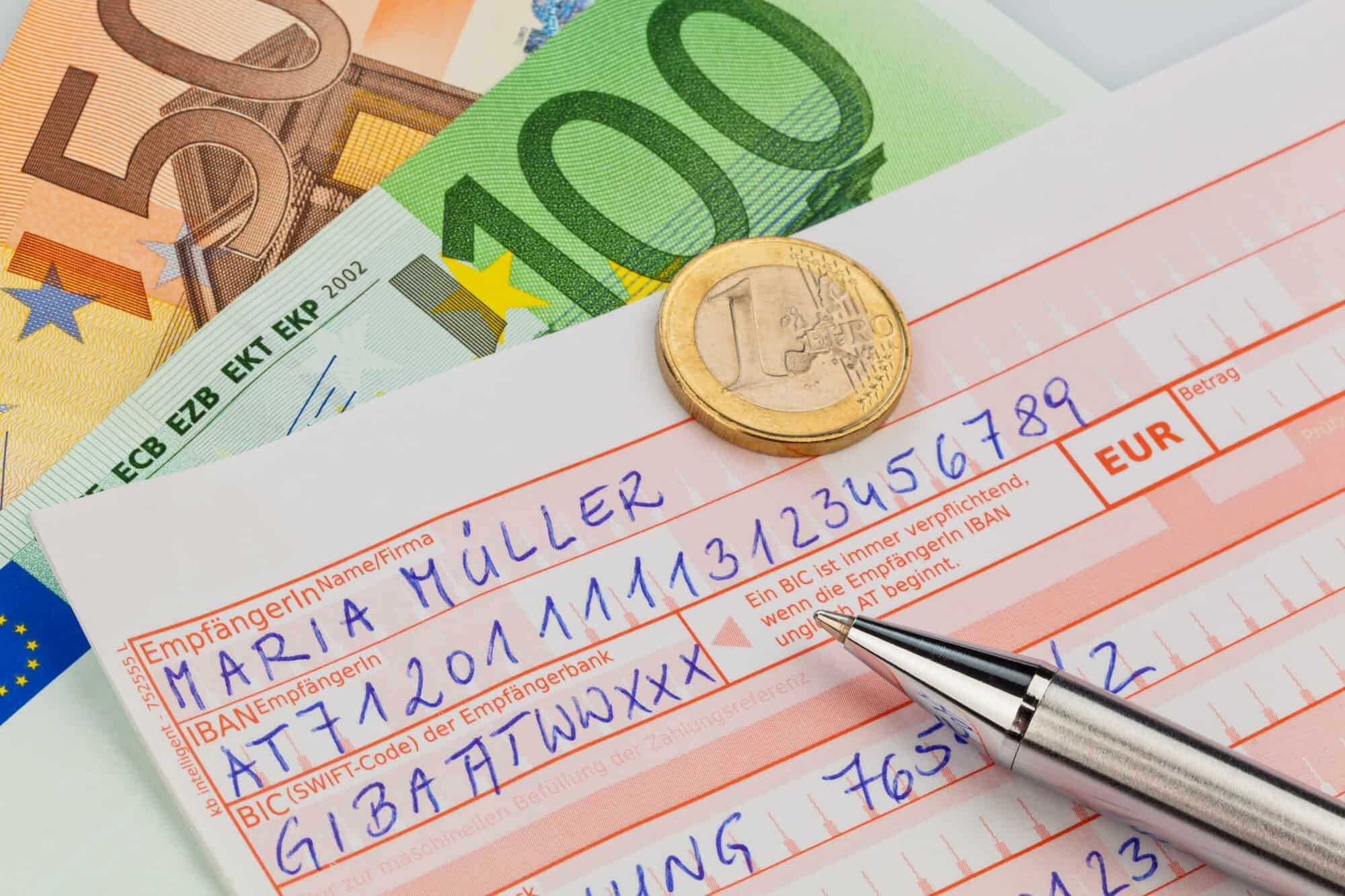
What a remittance is
A remittance is a transfer of money from someone working or living in one country to a recipient in another. For millions of people, remittances are a lifeline that pays for everyday needs, school costs, medical bills, and family support.
The word is often used for cross-border transfers, but it can also describe money sent within the same country. In everyday use, most people mean an international money transfer sent home to loved ones.
A remittance has three parts: the sender who starts the transfer, the provider who moves the money, and the receiver who collects it. Understanding each part helps you choose the right service and know what your family will receive.
How a remittance works, step by step
Sending a remittance follows a clear sequence, whether you send online, in an app, or in person.
- The sender chooses a provider and a destination country
- The sender enters the amount and selects how the recipient will receive the funds
- The sender pays for the transfer using a bank account, a debit or credit card, or cash at an agent location
- The provider processes the transfer and applies the exchange rate to convert the money into the local currency
- The recipient collects the funds by cash pickup, bank account, debit card, or mobile wallet
Two costs usually apply along the way: a transfer fee and an exchange rate margin. Comparing both together is the only way to know how much your recipient actually receives. To see how this works in a real corridor, read what does it cost to send money to Mexico.
The details you provide, such as the recipient's full name and, for bank transfers, account details like a routing number, help make sure the money reaches the right person.
Ways to send and receive a remittance
The right method depends on how quickly the money is needed and how your recipient prefers to collect it.
Cash pickup lets the recipient collect funds in person, often within minutes, at an agent location. MoneyGram has nearly 500,000 locations worldwide across more than 200 countries and territories.
Bank account delivery sends money directly to the recipient's account. Timing can depend on how the transfer is funded, since bank-funded payments such as ACH transfers can take longer to clear than card payments.
Debit card and mobile wallet delivery send money digitally to the recipient, which many families find convenient for daily use.
Backed by 85 years of trust and rated 4.9 stars on the App Store by our customers, MoneyGram helps people send money home with confidence.
Common questions
How is a remittance different from a regular bank transfer?
A remittance is money sent to support a person, most often internationally, while a bank transfer is a general movement of funds between accounts. Many remittances are sent through money transfer providers rather than banks, because providers offer cash pickup, mobile wallet delivery, and wider reach in the recipient's country.
How much does it cost to send a remittance?
Costs come from two sources: a transfer fee and the exchange rate margin, which is the difference between the mid-market rate and the rate you receive. Providers charge transfer fees and also apply margins on the currency exchange. It is important to compare both to ensure you are getting a good price and your recipient is getting the most for your transfer.
How does the recipient collect the money?
It depends on the option you choose when you send. The recipient can pick up cash at an agent location, receive funds in a bank account, get money on a debit card, or receive it in a mobile wallet. You select the delivery method before you confirm the transfer.
Send money your way
Choose your destination, pick a delivery method, and see the transfer fee and exchange rate before you send.
Send now