What a CVV is and where to find it
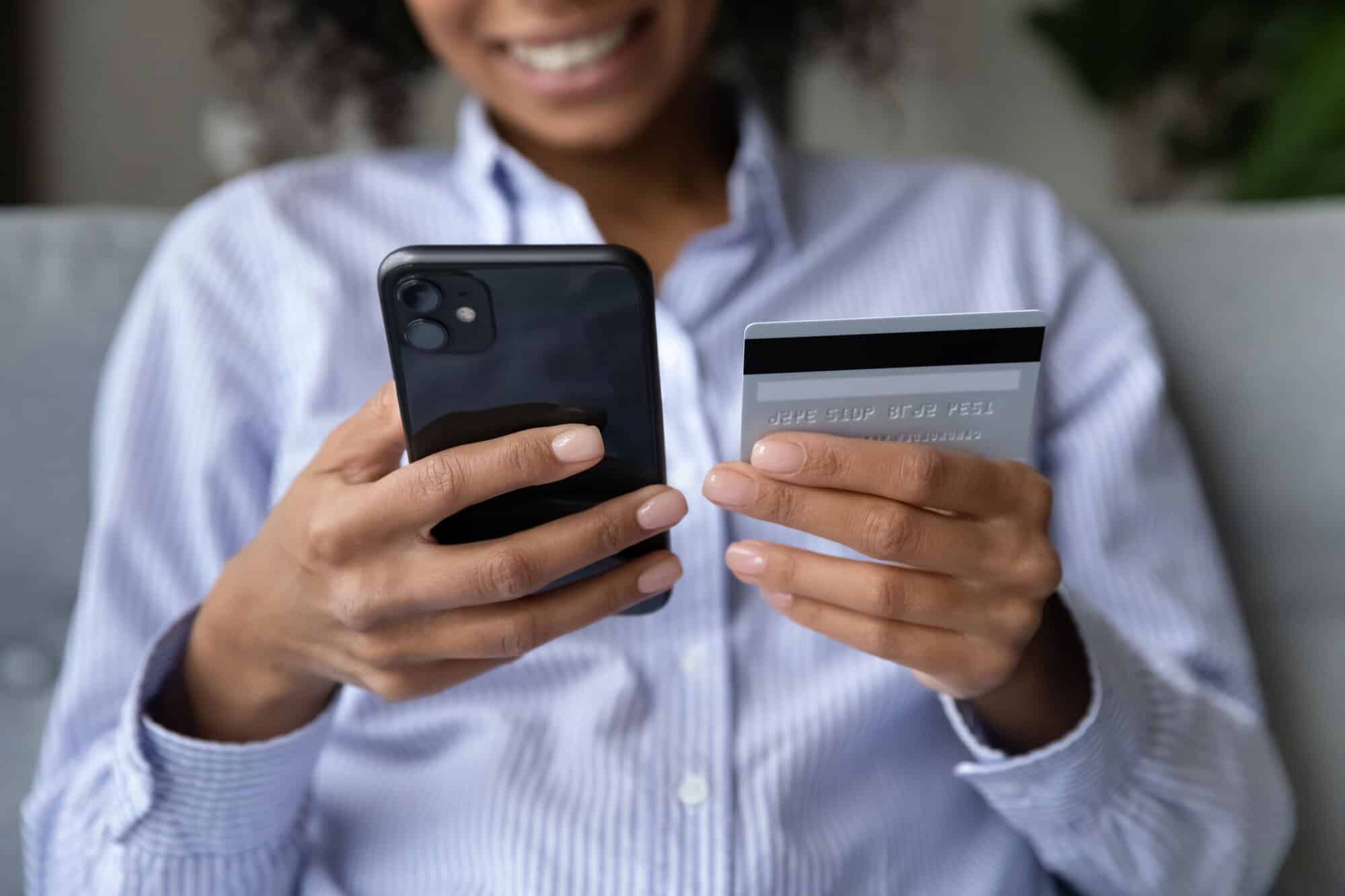
CVV stands for Card Verification Value. It is a small number printed on your debit or credit card that helps confirm a card is genuine during a payment.
On most cards, the CVV is a three-digit number on the back, near the signature strip. On some cards, it is a four-digit number on the front. You may also see it called a CVC, a CVV2, or a security code, depending on the card.
The CVV is different from your card number and your PIN. It is used mainly for payments where the card is not physically swiped or inserted, such as online and over the phone.
Why the CVV matters for security
The CVV exists to reduce fraud by proving that the person making a payment actually has the card.
Because the CVV is printed on the card and is not stored the way your card number sometimes is, it acts as an extra check during online and phone payments. A merchant asking for it is confirming the card is in your possession.
This is why you should never share your CVV in a text, an email, or with anyone who contacts you unexpectedly. A legitimate company will not ask you to send your CVV outside of a secure checkout.
When you make a transfer, the same care applies to all your details, including account information such as a routing number. Protecting these numbers protects your money.
Using your CVV to send money
When you fund a transfer with a debit or credit card, you will usually be asked for your CVV at checkout.
Entering the CVV helps confirm the payment is authorized by you. It is a normal part of paying by card online, and a secure checkout will request it directly rather than through a message or a link.
Paying by card can also be a faster way to fund a transfer than a bank payment. You can see how payment method affects timing in what is a remittance, and how it plays out in a real corridor in what does it cost to send money to Mexico.
MoneyGram uses security that moves with your money, helping protect your transfers. Backed by 85 years of trust and rated 4.9 stars on the App Store by our customers, MoneyGram helps you send safely.
Common questions
Where is the CVV on my card?
On most debit and credit cards, the CVV is the three-digit number printed on the back, near the signature strip. On some cards, it is a four-digit number on the front. It is separate from your 16-digit card number and from your PIN.
Is it safe to enter my CVV online?
Yes, when you enter it directly into a secure checkout to complete a purchase or transfer. What is not safe is sharing your CVV in a text, an email, or with someone who contacts you unexpectedly. A trustworthy company will only request it inside its own secure payment page.
What is the difference between a CVV and a PIN?
A CVV is printed on your card and confirms the card is present during online and phone payments. A PIN is a private code you enter at an ATM or a card terminal. You should never share either one, but they serve different purposes and are used in different places.