What a SSN is
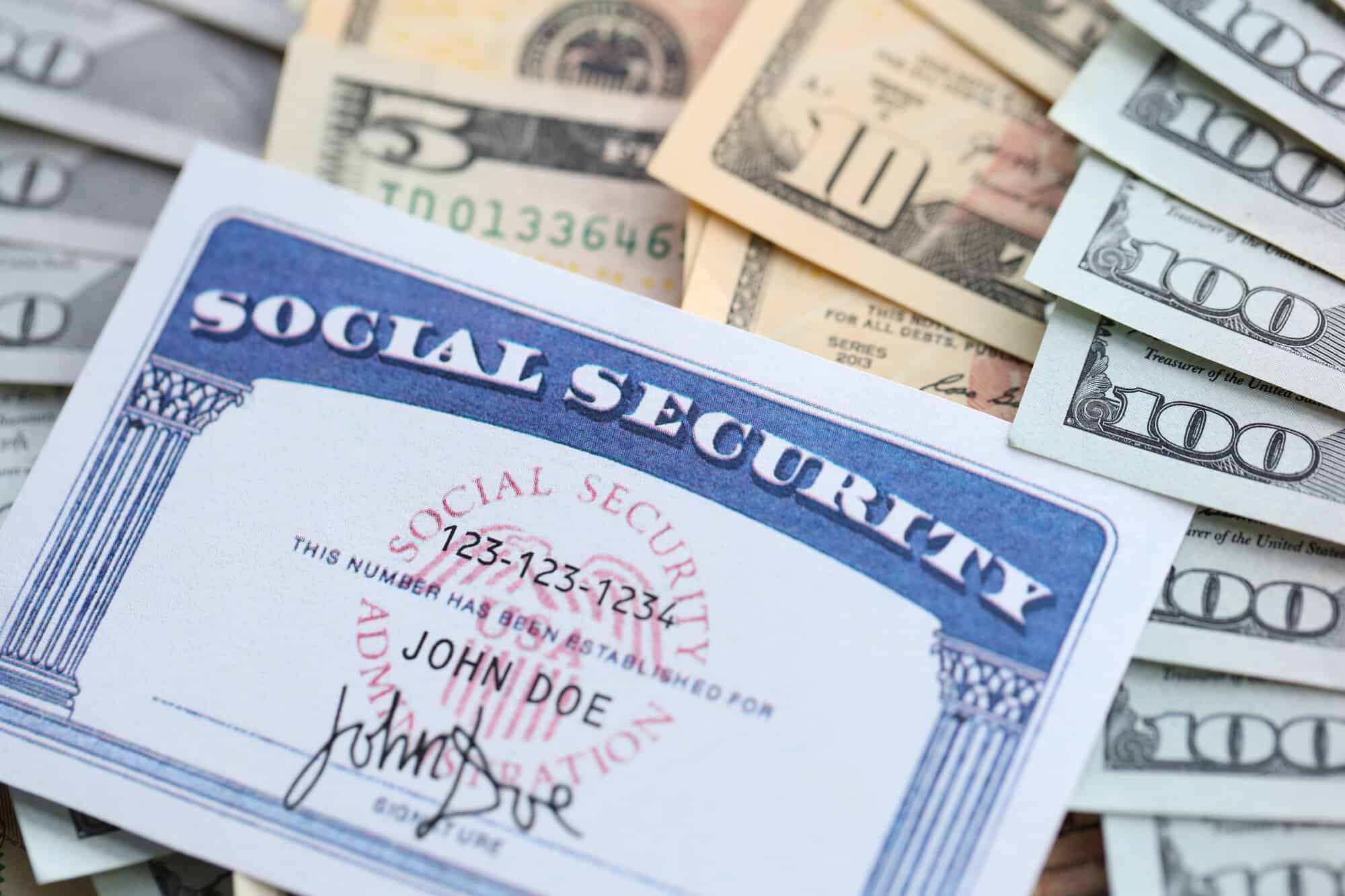
A Social Security number, or SSN, is a nine-digit number issued by the US government. It is used to track earnings, report taxes, and access certain benefits and services.
SSNs are issued to US citizens, permanent residents, and others authorized to work in the United States. It is often requested when you start a job, open a bank account, or apply for credit.
Because it connects to so many services, an SSN is sensitive information. Share it only when necessary and with trusted institutions, in the same way you would protect details such as a credit card number.
What an ITIN is
An ITIN, or Individual Taxpayer Identification Number, is a nine-digit number issued by the IRS for tax purposes. It is for people who have a US tax filing requirement but are not eligible for an SSN.
An ITIN lets someone file a tax return and comply with US tax rules even without an SSN. It does not authorize work, and it is not the same as a Social Security number.
Some people use an ITIN to open accounts or manage financial tasks where a taxpayer number is needed. It plays a role in building a financial footprint, which connects closely to building credit over time.
What this means when you send or receive money
For everyday money transfers, the main thing to know is how identity is checked.
When you send money, providers verify your identity to comply with regulations. This may involve government identification, and the exact documents accepted depend on your situation and location.
When your recipient collects money, their name must match their identification exactly. This is separate from tax numbers like an SSN or ITIN, and it is one of the most important details to get right for a smooth pickup.
To understand how a transfer works from start to finish, read what is a remittance. If you are also sorting out residency and status questions, see nationality vs citizenship. MoneyGram helps people send and receive across more than 200 countries and territories, backed by 85 years of trust.
Common questions
What is the difference between an ITIN and an SSN?
An SSN is issued to US citizens and people authorized to work in the United States, and it connects to work, benefits, and taxes. An ITIN is a tax processing number issued by the IRS for people who must file taxes but are not eligible for an SSN. An ITIN does not authorize employment.
Can I open a bank account or send money with an ITIN?
Often yes. Many banks accept an ITIN to open an account, and money transfer providers verify identity using accepted government documents rather than a tax number. Requirements vary by institution and location, so it is best to confirm what is accepted before you go.
Is my ITIN or SSN needed to receive a money transfer?
Usually not for the transfer itself. To collect money, the recipient's name must match their identification exactly, and they may need a valid ID. Tax numbers like an SSN or ITIN serve a different purpose and are not typically required to pick up a transfer.
Send money your way
Verify quickly, choose a delivery method, and send in a few steps.
Send now