Sending money to Mexico is one of the most common cross-border financial decisions people make in the US. Maybe you’re supporting parents in Guadalajara, helping a sibling in Mérida, or sending birthday money to a niece in Mexico City. Either way, the question is usually the same: what’s the fastest, most reliable, and most cost-effective way to get the money there?
This guide walks through what to know before you send. You’ll learn how money transfers to Mexico work, which receive options your recipient can choose from, what information you’ll need, and what to expect on timing and cost. You’ll also discover how MoneyGram’s network of partner locations across Mexico can help your recipient pick up cash, often within minutes of you confirming the transfer.
Why Mexico is the largest US remittance corridor
The United States to Mexico corridor is the largest single remittance flow in the world. Every month, millions of people in the US send money to family in Mexico for living expenses, school fees, medical care, rent, special occasions, and everyday support.
That scale matters when you’re choosing a provider. High-volume corridors tend to have stronger payout networks, more receive options, and more established support for the needs of that specific country. MoneyGram has served the US-to-Mexico corridor for decades and offers payout through well-known partners across all 32 Mexican states.
Your recipient’s receive options in Mexico
When you start a transfer to Mexico, one of the first choices you’ll make is how your recipient wants to receive the money. MoneyGram supports four main delivery methods to Mexico, so you can choose the option that works best for their day-to-day life.
Cash pickup at a nearby location
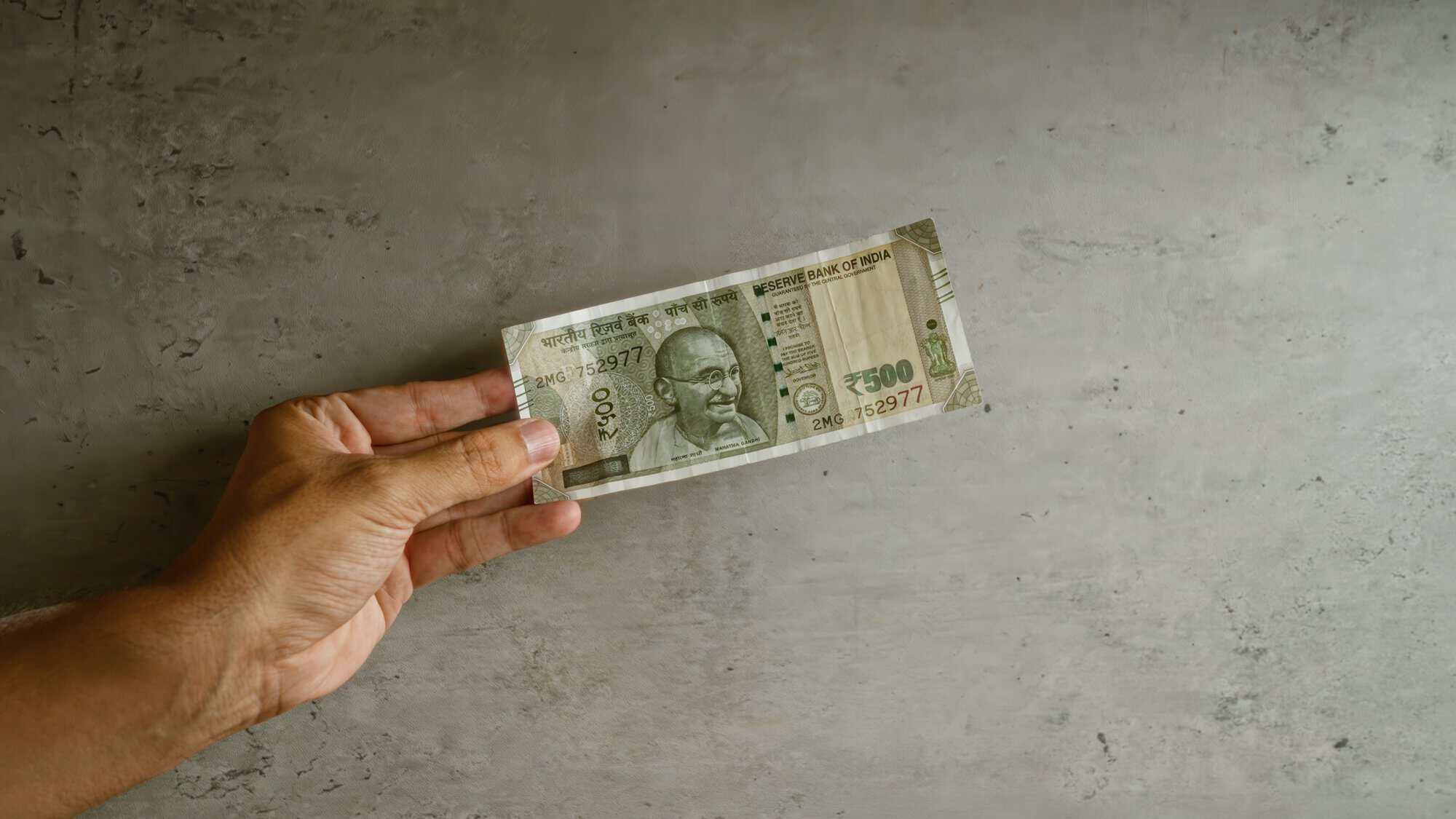
Cash pickup is one of the most popular options for sending money to Mexico because it gives recipients the flexibility of cash. Once your transfer is confirmed, the money can be available for cash collection at a MoneyGram partner location. In Mexico, that includes familiar locations like Elektra, Walmart, BanCoppel, Bodega Aurrera, OXXO, and many more.
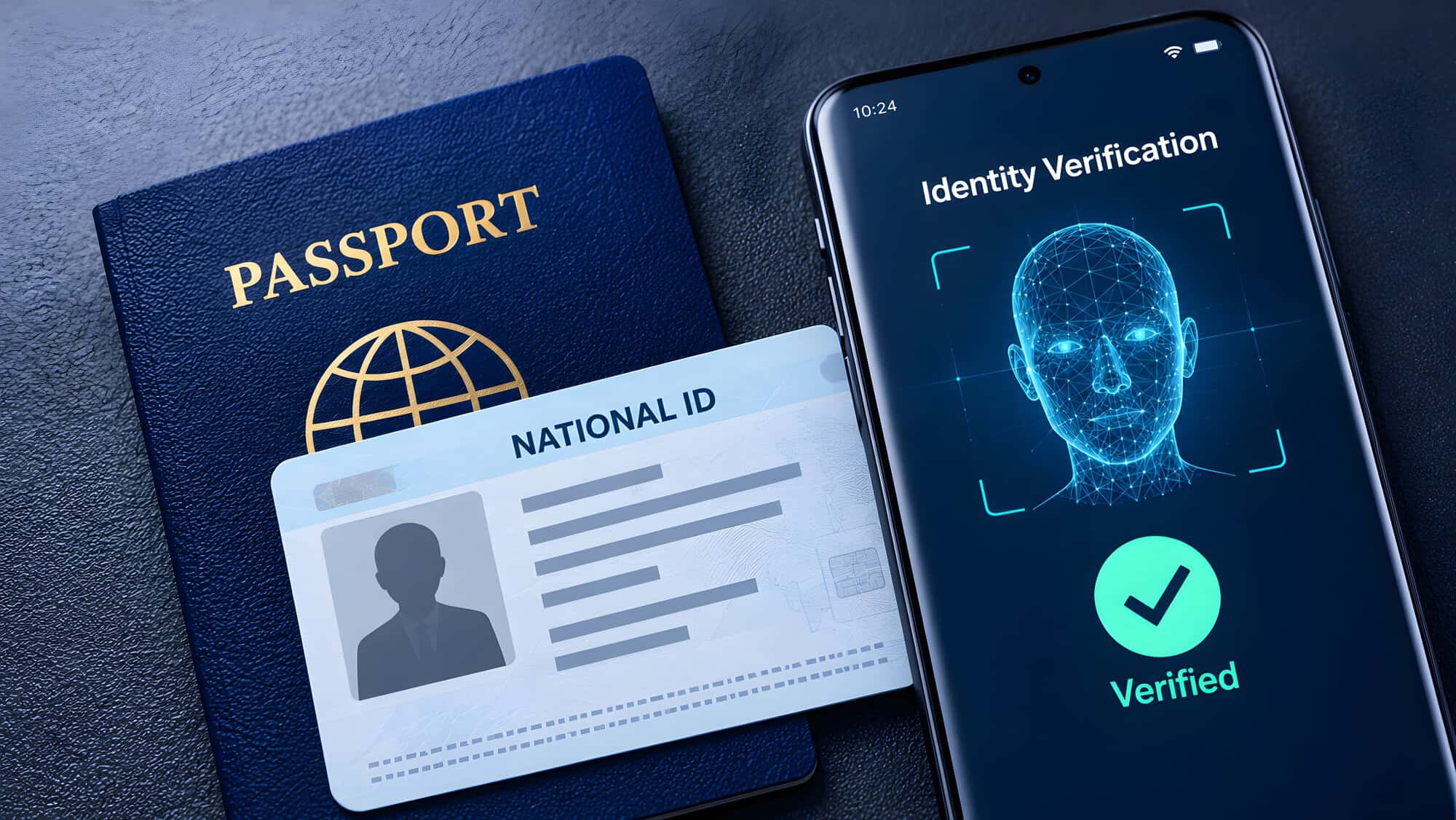
To collect the money, your recipient will need a valid government-issued photo ID and the 8-digit reference number from your transfer confirmation. They’ll show both at the pickup location and receive the amount shown in Mexican pesos.
Bank accounts
If your recipient has a bank account in Mexico, you can send money directly to it. MoneyGram supports transfers into accounts at major banks in Mexico. Bank transfers can be a good option when your recipient wants the funds in their account for savings, bills, or future transfers, and when they’re comfortable with timing that may vary by bank.
Debit cards
Money can also be sent to an eligible debit card in Mexico. Once the funds arrive, your recipient can spend or withdraw the money the same way they would with their normal card balance. Card eligibility depends on the issuing bank and network.
Mobile wallets
Mobile wallets, including Mercado Pago, are becoming more popular in Mexico. If your recipient uses a supported wallet, you can send money directly to it. The funds appear in their wallet app, with no bank account or pickup trip required. This can be especially useful for recipients who prefer managing money from their phone.
How to send money to Mexico with MoneyGram: step by step
Sending money to Mexico through MoneyGram takes three main steps, whether you’re sending online, in the app, or at a US location.
Step 1. Sign up or log in
Create a MoneyGram profile in the app or MoneyGram.com. You’ll need basic personal details, including your name, address, date of birth, and a valid US government ID for verification. If you’ve sent before, just log in.
Step 2. Enter the transfer details
Enter how much you want to send, choose Mexico as the destination, and select the delivery method: cash pickup, bank transfer, debit card, or mobile wallet.
Before you confirm, you’ll see the exchange rate, transfer fee, estimated delivery time, and the exact amount your recipient will receive in Mexican pesos. Add your recipient’s details based on the delivery method. For cash pickup, you’ll need their full legal name as it appears on their ID. For bank accounts, you’ll need their account details. For mobile wallet transfers, you’ll need the phone number connected to their wallet.
Step 3. Choose how to pay and confirm
Choose your payment method, typically a bank account, debit card, or credit card. Review the full transfer summary and confirm. You’ll receive an 8-digit reference number. Share that number with your recipient if they’re picking up cash, and keep it handy so you can track the transfer.
Note: When using a credit card, your credit card company may charge a cash advance fee and interest charges.
How long does it take to send money to Mexico?
Delivery timing depends on the method you choose. Cash pickup transfers to Mexico are often available within minutes of confirmation, so your recipient can collect the money once the system shows the funds are ready.
Bank transfers and debit card transfers may take longer because they depend on the receiving bank’s processing schedule. Mobile wallet transfers are typically fast, with funds arriving in the wallet app shortly after confirmation.
You can track your transfer in real time in the MoneyGram app or at MoneyGram.com using your 8-digit reference number.
What it costs to send money to Mexico
The total cost of an international transfer usually comes down to two things: the transfer fee and the exchange rate from US dollars to Mexican pesos. Both can vary based on how much you’re sending, how you’re paying, and how your recipient will receive the money.
New MoneyGram customers can send their first transfer with no fee. Before you confirm any transfer, you’ll see the fee, exchange rate, estimated delivery time, and the exact amount your recipient will receive. Reviewing that summary is one of the most important steps before sending, because it shows what you’ll pay and what your recipient will get.
Sending money to Mexico safely
MoneyGram has been moving money across borders for 85 years and serves 50+ million customers across 200+ countries and territories. Transfers are protected by encryption, fraud monitoring, and transaction verification before funds are released.
Still, it’s important to protect yourself from scams. Never send money to someone you haven’t met in person, especially if they ask you to keep the transfer secret, pressure you to act urgently, or claim to be a relative in trouble but can’t prove who they are. If something feels off, pause before you send.
Frequently asked questions
How much money can I send to Mexico in one transfer?
Send limits depend on how you’re paying, where you’re sending from, and whether your account has been verified. The limit shown during setup is the one that applies to your specific transfer.
Can I send money to Mexico in pesos or do I have to send dollars?
From the US, you pay in US dollars. MoneyGram converts your dollars to Mexican pesos at the rate shown during setup, and your recipient receives pesos through the delivery method you choose.
Do I need to know my recipient’s address in Mexico?
For cash pickup, no. Your recipient can collect at any participating MoneyGram partner location with a valid ID and your reference number. For bank transfer, debit card, or mobile wallet, you’ll need the required account, card, or phone details, but not always a physical address.
What ID does my recipient need to pick up cash in Mexico?
Your recipient will need a valid government-issued photo ID. Many recipients use a credential INE, but a passport or another accepted government photo ID may also work. The name on the ID must match the name entered on the transfer.
Can I cancel a transfer to Mexico after sending?
If the transfer has not been collected or posted, you may be able to request a cancellation through the MoneyGram app or customer service. Once funds have been picked up or received in an account, cancellation is no longer possible.