Football's biggest stage and the world it brings together
Someone taped a scarf to the wall earlier that morning. A pot of food sits untouched on the counter because nobody wants to miss kickoff. Phones light up every few seconds with messages from cousins, siblings, and parents watching somewhere else entirely.
The football tournament starts before sunrise where they’re watching.
One family is gathered in a living room in California. Another is watching from a restaurant in London. Someone else is standing shoulder to shoulder with strangers at a community watch party halfway across the world, all reacting to the same moment at the exact same time.
For people watching the tournament far from home, the experience often feels bigger than sports.
It becomes a reason to call family, to gather, and to feel close to home again, even if home is thousands of miles away.
Why the tournament means something different when you’re watching from abroad
Watching the football’s biggest international stage from abroad can feel deeply personal when the country you’re supporting is tied to your family, childhood, language, or sense of identity.
For many people, these matches aren’t just entertainment. They’re moments that reconnect them to home.
A goal lights up the family group chat across multiple time zones. A halftime phone call turns into a conversation about relatives, old neighborhoods, and plans for the future. Restaurants and community spaces fill with people who may not know each other personally but instantly recognize something familiar in the way everyone reacts to the match or the colors that they wear.
There’s pride in those moments, but sometimes distance too.
Some people are watching from countries they moved to years ago. Others are seeing their children experience these traditions for the first time from somewhere completely different than where they grew up. That mix of excitement, nostalgia, homesickness, and connection is part of what makes the tournament feel different for communities watching from abroad.
For a few weeks, routines shift around kickoff times. Families call each other more often. People reconnect because a big moment gave them a reason to.
The tournament may happen in one place physically, but emotionally, it unfolds everywhere in the world at once.
The traditions people carry with them
Long before kickoff starts, people are already finding ways to recreate the feeling of watching from home.
One person picks up food from a restaurant that reminds them of home. Another clears their schedule so they can watch with relatives back home. Group chats become active again after weeks of silence because everyone suddenly has something to react to together.
For many, the big match becomes part of everyday life for a few weeks. The tournament shapes dinner plans, sleep schedules, work breaks, and weekends. Children grow up learning the traditions alongside their family, even if they were born somewhere completely different than their parents.
Some remember watching matches with their grandparents years ago, while others are creating traditions with their own families abroad. The tournament creates shared moments people can participate in together at the exact same time, even across the world.
For families separated by distance, that kind of connection matters. Sometimes a match becomes more than a match. It becomes an excuse to call home, reconnect with relatives, and feel part of something together again for a little while.
The countries that show up, on the pitch and in the stands
One of the most powerful things about the global football tournament is how many different communities see themselves reflected in it.
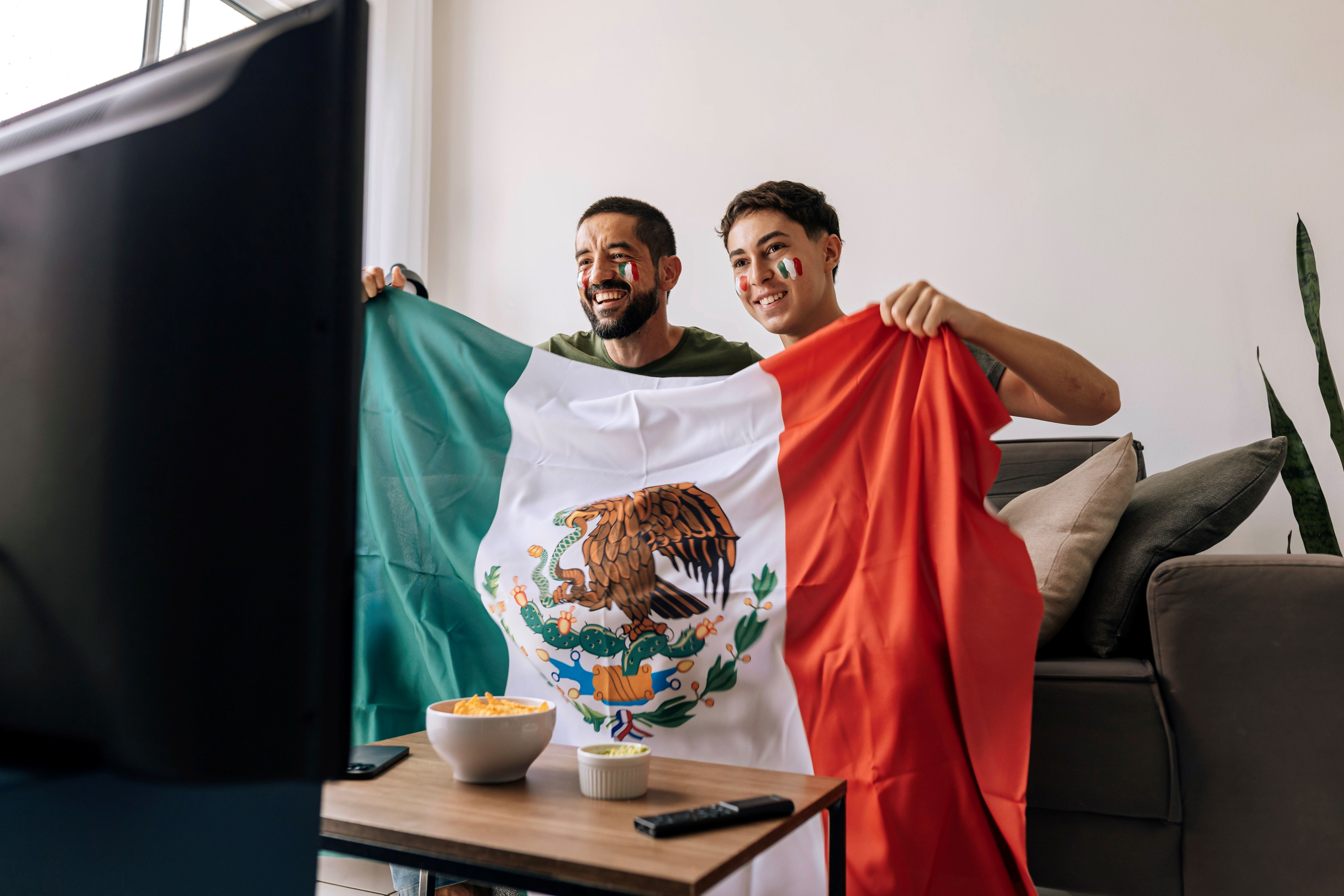
In Mexican households across the US, tournament match days turn into full-day gatherings built around fútbol, food, and family. Someone brings tamales or tacos before the game, family group chats stay active, and every goal turns into a call or voice note sent back home.
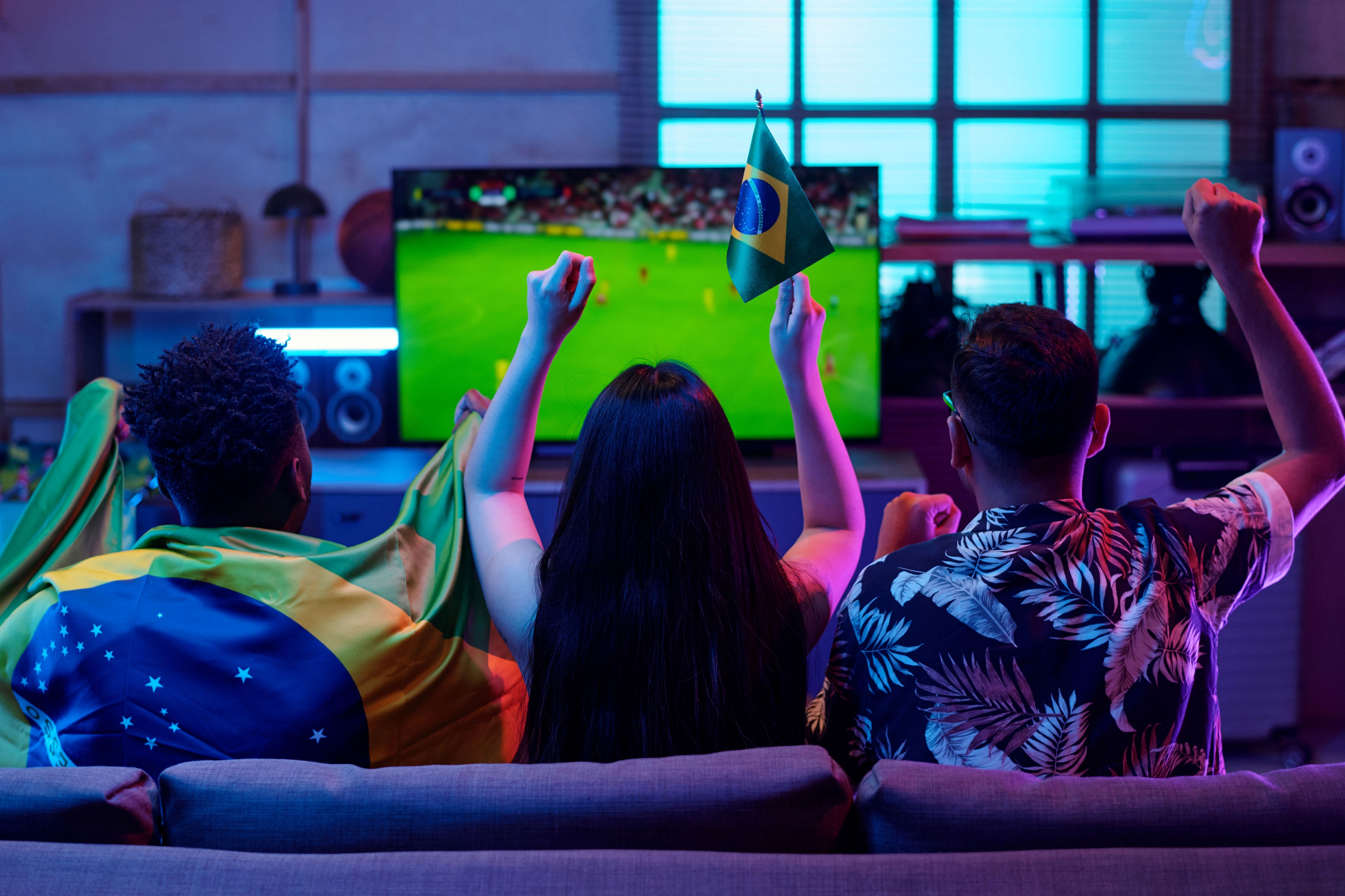
For many Brazilian families, traditions start before kickoff. Lucky yellow jerseys come back out, churrasco stays on the grill, and fireworks go off after big moments. Even relatives living abroad recreate those same practices no matter how far from home.
Across every watch party, living room, and group chat, there’s a shared feeling: connection. No matter where people watch, the tournament has a way of making home feel a little closer.
People see parts of themselves, their families, and their communities reflected in the atmosphere surrounding the tournament. For many watching from abroad, those moments feel grounding. A reminder that home still exists inside everyday life, even from far away.
How to send something home before the final whistle
Big moments tend to make people reach out.
Sometimes that means calling home after a match. Other times it means organizing a watch party with friends and family. And often it means sending something back to the people watching from the other side of the world.
During the tournament, many people send money home to help family celebrate together, order food for a gathering, cover everyday expenses, or simply feel included in the moment from afar.
The transfer only takes a few minutes, but the feeling behind it lasts longer.
With MoneyGram, people can send money internationally through a global network trusted by more than 50 million customers. Depending on the corridor and receive method, transfers are often available quickly. So, you don’t miss a moment.
A money transfer can become part of a shared celebration. It’s a way to show pride from another country, another city, or another time zone. Because the easiest way to feel close to home is finding a small way to be there for those who matter most.