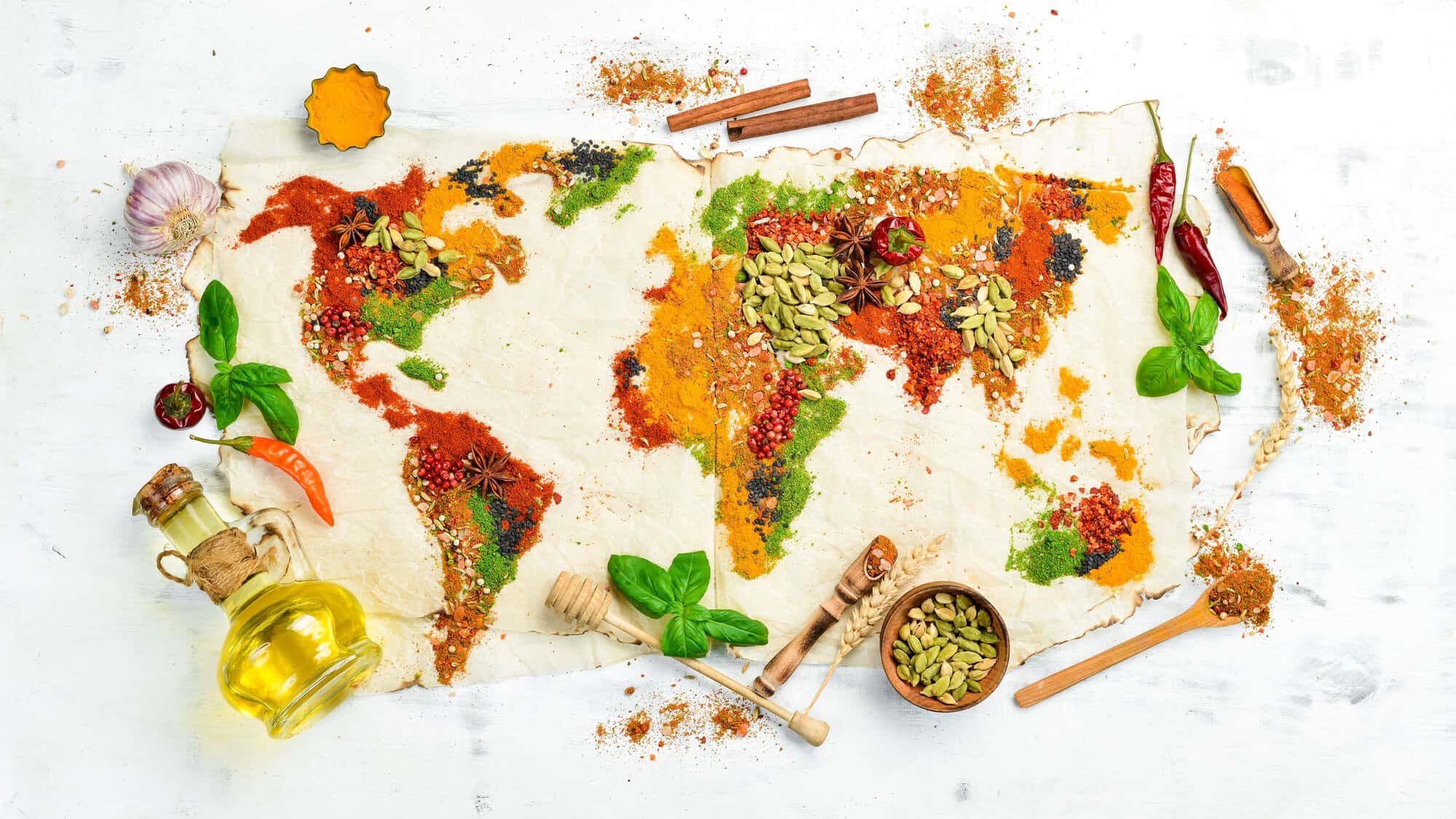
Food carries memories in a way few things can. A smell, flavor, or ingredient can bring back a kitchen you haven’t stood in for years or a family dinner happening thousands of miles away. For people living abroad, those reminders of home can feel especially powerful.
Recipes travel with us. They adapt to new ingredients, new kitchens, and new traditions until they become part of life in another country.
Every culture has its own taste of home
The food someone misses is deeply personal, but certain dishes appear again and again at family tables, holidays, and celebrations.
For many Mexican families, tamales bring back memories of relatives gathering to prepare them together, while pozole might recall a celebration with a large pot simmering long enough to feed everyone who stops by. On an ordinary day, the smell of tortillas warming on the stove can be enough to bring a familiar kitchen to mind.
In Filipino households, pancit often appears at birthdays and celebrations, while dishes like adobo can make weeknights feel special. Pandesal with coffee in the morning reminds people of slow mornings at home.
Across India, the dishes connected to home vary enormously by region and family. One person might think immediately of dal and rice at the end of a long day. Another remembers dosa at breakfast, biryani at a celebration, or the spice blend their parents used in a dish no restaurant seems to make quite right.
Jamaican food carries its own rhythms. Rice and peas accompany meals across the island, while curry goat and jerk dishes bring people together around a table. Ackee and saltfish bring back memories of breakfast at home, complete with fried dumplings, plantains, or the side dishes every family swears are essential.
For Nigerian families, the debate over who makes the best jollof rice can follow relatives across borders. Egusi soup, moi moi, puff-puff, or a favorite stew can carry memories of parties, holidays, and kitchens where recipes were learned by watching rather than reading them.
Across Latin America, the Caribbean, Africa, Asia, and beyond, the dishes change from family to family, but the traditions last for generations.
The recipes we know without really knowing
Family recipes have a funny way of resisting measurement.
Ask your mom how much seasoning she uses and she may tell you she just knows. Your grandmother's recipe might call for "a little" of something, even though nobody can agree whether that means a teaspoon or a cup. Someone inevitably leaves out the step they’ve done so many times because they forgot it needed explaining.
Recreating those dishes abroad becomes a family event of its own. What starts as a quick phone call to ask how long something should cook turns into an hour-long conversation. By the time dinner is ready, you've caught up on family news, listened to advice you didn't ask for, and finally gotten approval that it looks "just like home." Even if one ingredient had to be substituted, the meal still feels right.
Children growing up in another country learn why a certain dish appears every holiday. Partners and friends get invited into traditions they didn’t grow up with. Eventually, someone who once watched their grandmother cook from the kitchen table becomes the person teaching the recipe to someone else.
Finding familiar flavors in a new place
One of the small milestones of settling somewhere new is finding the places that taste like home.
It might be an international grocery store with the exact brand of biscuits you remember from childhood. There’s a restaurant across town that makes a dish almost like the one you grew up eating. You find a panadería where the sweet bread smells right as soon as you walk through the door.
These discoveries can become part of a new routine.
People trade recommendations with friends, travel across town for ingredients, fill suitcases with snacks after trips home, and ask visiting relatives to bring the one thing they still can’t find locally.
The result is a kitchen that reflects more than one place. A family recipe sits next to something learned in a new country. Children grow up requesting foods from both. Holiday tables gradually expand to make room for traditions collected along the way.
Food gives people a way to carry their culture forward while creating new memories around it.
Food is one of the ways families care for each other
Think about how often food appears when someone needs looking after.
Families cook when someone is sick. They bring meals when a baby is born. They prepare more than anyone could possibly eat when relatives visit. Birthdays call for favorite dishes. Holidays come with recipes people start planning weeks in advance.
That instinct to feed the people we love can continue even when families live in different countries.
You might send your parents money to help with groceries, contribute to a big holiday meal, or make sure there’s enough for everyone when the whole family gathers. Someone celebrating from abroad can still help put a favorite dish on the birthday table.
MoneyGram helps people send that support across borders, with flexible ways for loved ones to receive money including direct to bank accounts, mobile wallets, debit cards, or cash pickup at more than 480,000 locations worldwide. For more than 85 years, MoneyGram has helped generations of families stay connected across borders, becoming part of a tradition passed down over time, much like the recipes shared around the dinner table.
Help put something special on the table back home. Start your MoneyGram money transfer today.
The meals we carry with us
Years can pass, addresses can change, and family members can end up scattered across the world. Still, certain foods have a way of bringing everyone back to the same table.
It might happen while rolling dough the way your grandmother taught you, opening a spice jar that smells exactly like your childhood kitchen, or hearing your child ask for a meal you once missed when you first moved away.
Recipes keep family stories alive in small, everyday ways. Each time they’re cooked, shared, adapted, or taught to someone new, another memory gets added.
And every once in a while, one familiar taste can make thousands of miles feel surprisingly close.