Cash Pickup vs Bank Transfers in the Philippines
Choosing how they’ll get your money? Compare cash pickup, bank transfer, debit card, and mobile wallet options in the Philippines.
If you’re deciding between cash pickup, bank transfer, and debit card transfer in the Philippines, there’s a fourth option that deserves just as much consideration: mobile wallet.
All three are widely relevant ways to receive money here. Cash can work well for someone who wants money in hand. Direct to bank puts the money directly into an account. And mobile wallet can make sense for someone who already manages money from their phone.
So, is cash pickup or bank transfer better? Maybe. But those aren’t your only choices.
The best payout method is the one that fits how your recipient actually uses money.
There are four main ways to receive money to consider: cash pickup, direct to bank, debit card, and mobile wallet.
Before choosing, compare more than speed. Think about what your recipient has access to, what information they’ll need and what they’ll have to do once the money arrives.
There’s no automatic winner. The point is to choose the one your recipient can actually use.
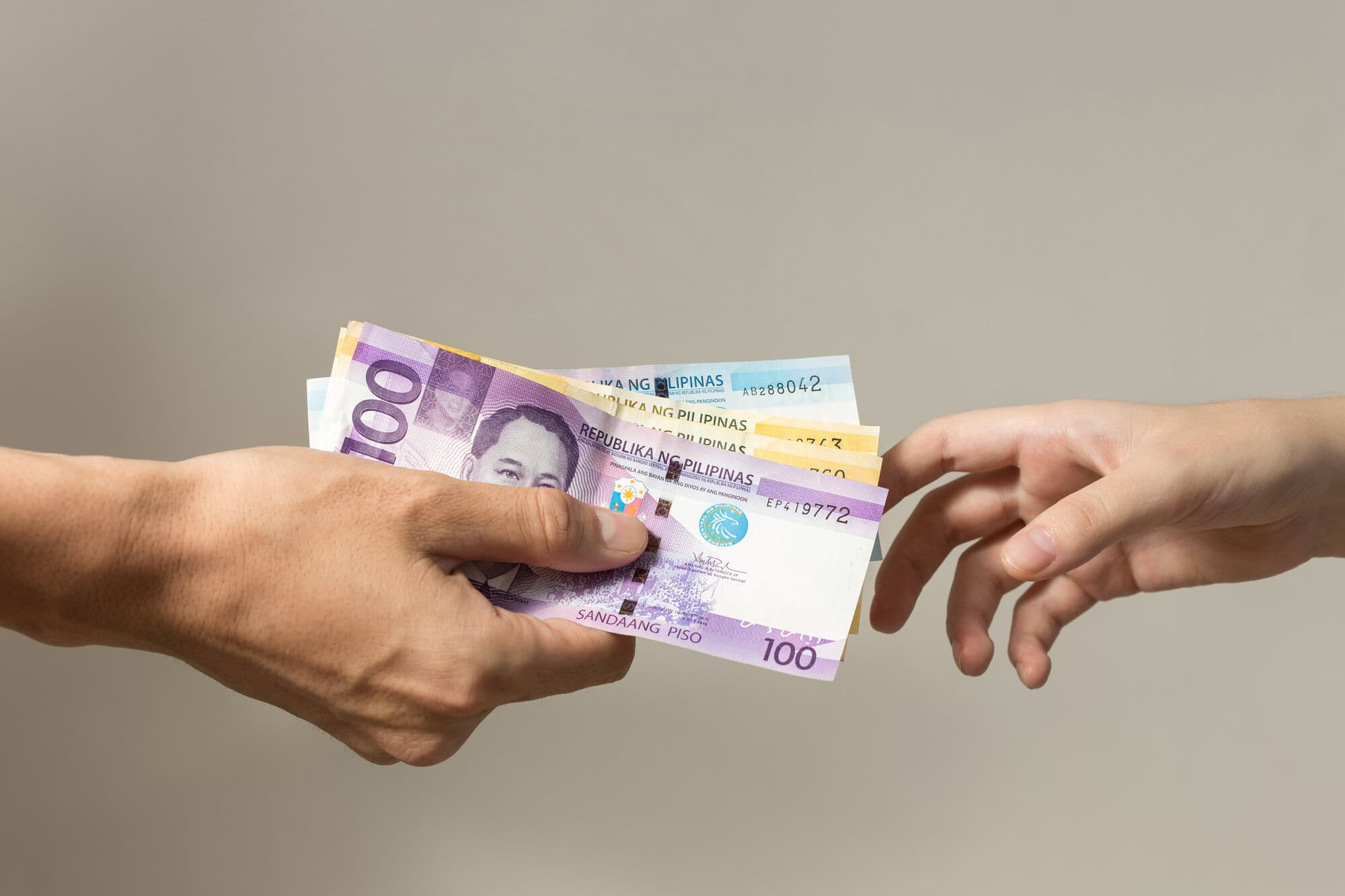
A cash pickup money transfer can make sense for someone who wants physical cash, doesn’t have a bank account or already has a convenient place to collect nearby.
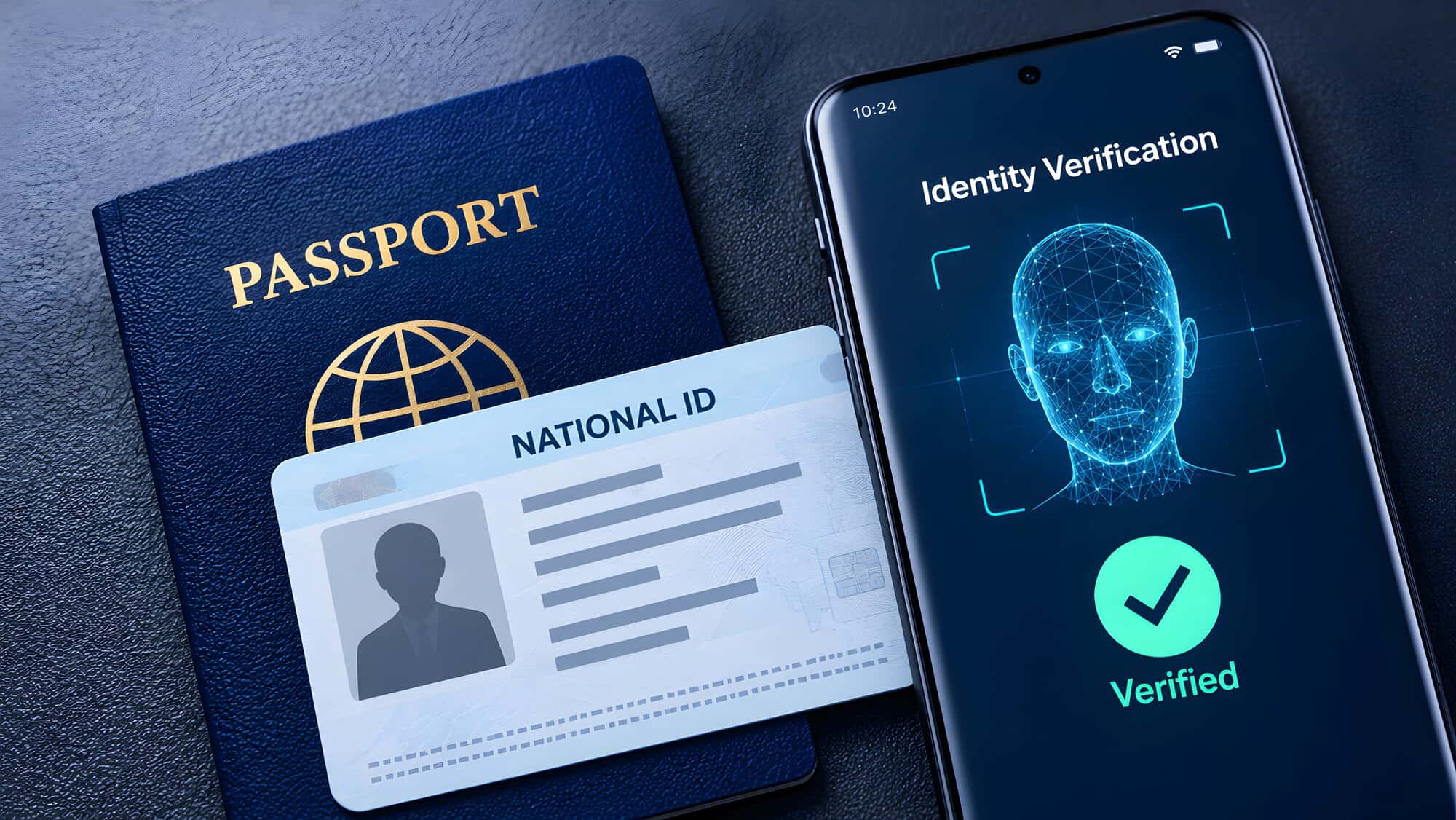
For an eligible transfer, the recipient goes to a participating MoneyGram location and provides the information and identification required to collect the money.
The Philippines has an established network of retail and financial services, which can make cash collection a familiar option for many recipients.
Cash still comes with one unavoidable step: someone has to go get it.
That means location matters. So do opening hours and the amount the location is able to pay out.
Before choosing cash, check how your recipient collects the money in the Philippines and what ID your recipient needs.
If they already have a participating location nearby and prefer cash, pickup can be a very practical choice. If collecting it means a long trip, another option may be easier.
Bank transfer removes the trip to a cash pickup location.
For an eligible bank-to-bank transfer, the money goes directly to the recipient account information provided for the transfer. That can work especially well for someone who already uses their account for bills, purchases, and everyday expenses.
It can also make sense for regular transfers. The money arrives where the recipient already manages it instead of creating another step every time.
If you want your recipient to receive money to a bank account internationally, getting the account details right is important.
Mistyped account details are the big thing to watch.
A single wrong number can keep a transfer from going where it’s supposed to. Double-check the information with your recipient before completing the transfer rather than relying on account details saved somewhere else.
Timing can also be affected by weekends, local holidays, and banking hours.
Debit card transfers are a great option if your recipient has an eligible debit card.
Like bank account transfers, debit cards can also make sense for regular transfers. The money arrives where the recipient already uses it instead of creating another step every time.
What is a mobile wallet? In simple terms, it’s a digital account or service that lets someone receive, hold or use money through their phone.
In the Philippines, mobile wallets aren’t a side note to cash and bank accounts. They’re an important part of how people manage money, which makes them a real option to consider for an international transfer when MoneyGram supports the recipient’s wallet.
To receive money to a mobile wallet, the recipient may need to have an eligible account set up before the transfer is sent.
That makes one question especially important: does your recipient already use the wallet? If so, sending money there can fit naturally into something they’re already comfortable with.
Wallet timing and limits may also differ from cash pickup or bank transfer.
The fastest method can change depending on the transfer.
How the sender pays matters. So can the time of day. Bank transfers may be affected by local banking hours, weekends, or holidays. Mobile wallets can have their own processing requirements. Cash pickup is fast, but also depends on the recipient being able to reach a participating location.
That last part is easy to forget.
A transfer can technically be ready for cash pickup, but if your recipient can’t get to the location until tomorrow, it isn’t the fastest option for them.
Compare the estimated timing for the actual transaction and think about access too.
Fastest to arrive and fastest to use aren’t always the same thing.
The cheapest-looking option isn’t necessarily the cheapest transfer.
There are two things to consider: the transfer fee and the exchange rate.
The fee is what you pay for the transfer itself. The exchange rate affects how the money is converted into Philippine pesos and ultimately how much your recipient receives.
Both can vary based on the details of the transaction, including the amount, payment method, and payout method.
That’s why this article doesn’t list specific fees. A number that’s accurate today could be wrong when you make your next transfer.
Instead, check the current rate and fee for the transaction you’re about to make.
Look at the expected receiving amount too. Comparing the full transfer gives you a better picture than choosing whichever option shows the lowest fee.
No bank account doesn’t automatically mean no options.
Cash pickup can allow an eligible recipient to collect physical money without having it transferred into a bank account. They’ll need the reference number and identification required for collection.
Mobile wallet may provide another option if MoneyGram supports the wallet the recipient uses and that wallet doesn’t require a traditional bank account.
This is where it really pays to ask before you send.
Does your recipient prefer cash? Is there a convenient pickup location? Do they already have a supported mobile wallet?
Choose around what they have, not what you wish they had.
For more general information about the available ways to receive money, see receiving money with MoneyGram.
Sometimes comparing features makes the choice feel harder than it needs to be. Think about the person on the other end instead.
Compare the verified delivery times for all available payout methods.
Then consider what happens after the money arrives. If your recipient already uses a supported mobile wallet, that may be easier than traveling for cash. If they need physical money, cash pickup could still be the better fit.
Choose the method that creates the least work every month.
If your recipient already manages expenses through an eligible bank account, bank transfer may fit naturally. If they regularly use a supported mobile wallet, sending there may be just as familiar.
Check actual access before choosing cash pickup.
A location may look close on a map and still be difficult to reach. If your recipient has an eligible bank account or supported mobile wallet they already use, a digital payout could save them the trip.
Start with cash pickup and any supported mobile wallet options.
Which is better depends on what the recipient already uses. If they’re comfortable with a wallet, digital receiving may be convenient. If they prefer cash and have a location nearby, cash pickup may be simpler.
Check the limits for each payout method before choosing.
A payout method that works well for a smaller monthly transfer may not be the right fit for a larger amount.
Don’t choose a mobile wallet just because it sounds easier.
If your recipient prefers cash or already trusts their bank account, use that information. The easiest transfer is the one that feels easy to the person receiving it too.
It depends on how your recipient prefers to receive and use the money.
Cash pickup can work well for someone who wants physical cash or doesn’t have a bank account. Bank transfer may be easier for someone who already uses an eligible account. Mobile wallet is also an important option in the Philippines when MoneyGram supports the recipient’s wallet.
No. The recipient receives the transfer through the payout method selected when the transaction was set up.
Ask your recipient what works for them before sending rather than choosing first and trying to change it later.
First, check the transfer status, location and collection requirements. Make sure the recipient has the required reference number and identification.
If the problem involves eligibility, payout limits or the selected location, contact MoneyGram customer care for the appropriate next step.
Bank transfer is available for eligible MoneyGram transfers where currently supported.
You’ll need the correct recipient and banking information when setting up the transfer.
Mobile wallet may be available for eligible MoneyGram transfers in the Philippines.
The recipient may need an eligible wallet that is already set up and verified before receiving the money.
Not always. Cash pickup may allow an eligible recipient to receive money without a bank account. A supported mobile wallet may also work without a traditional bank account depending on the wallet’s requirements.
Start with your recipient’s everyday habits.
If they prefer physical cash, look at cash pickup. If they already use an eligible bank account, consider bank transfer. If they regularly use a supported mobile wallet, that may be just as practical.
Then compare the current timing, cost and limits for the specific transfer.