MoneyGram and the Stellar Development Foundation, the nonprofit supporting the Stellar blockchain, announced a multi-year extension of their partnership. This milestone marks more than five years of turning stablecoin potential into real-world utility and financial inclusion.
MoneyGram announced it has been named a winner of the 2026 USA TODAY Top Workplaces USA award, marking the fifth consecutive year the company has earned this recognition. This honor reflects MoneyGram's continued commitment to building a high-performance culture where employees are empowered to thrive.
MoneyGram announced the appointment of Marc Winniford as Chief Financial Officer. In this role, Winniford will oversee all aspects of finance, accounting, tax and treasury, and play a central role in advancing the company's ongoing finance transformation as part of MoneyGram's broader re-founding journey.
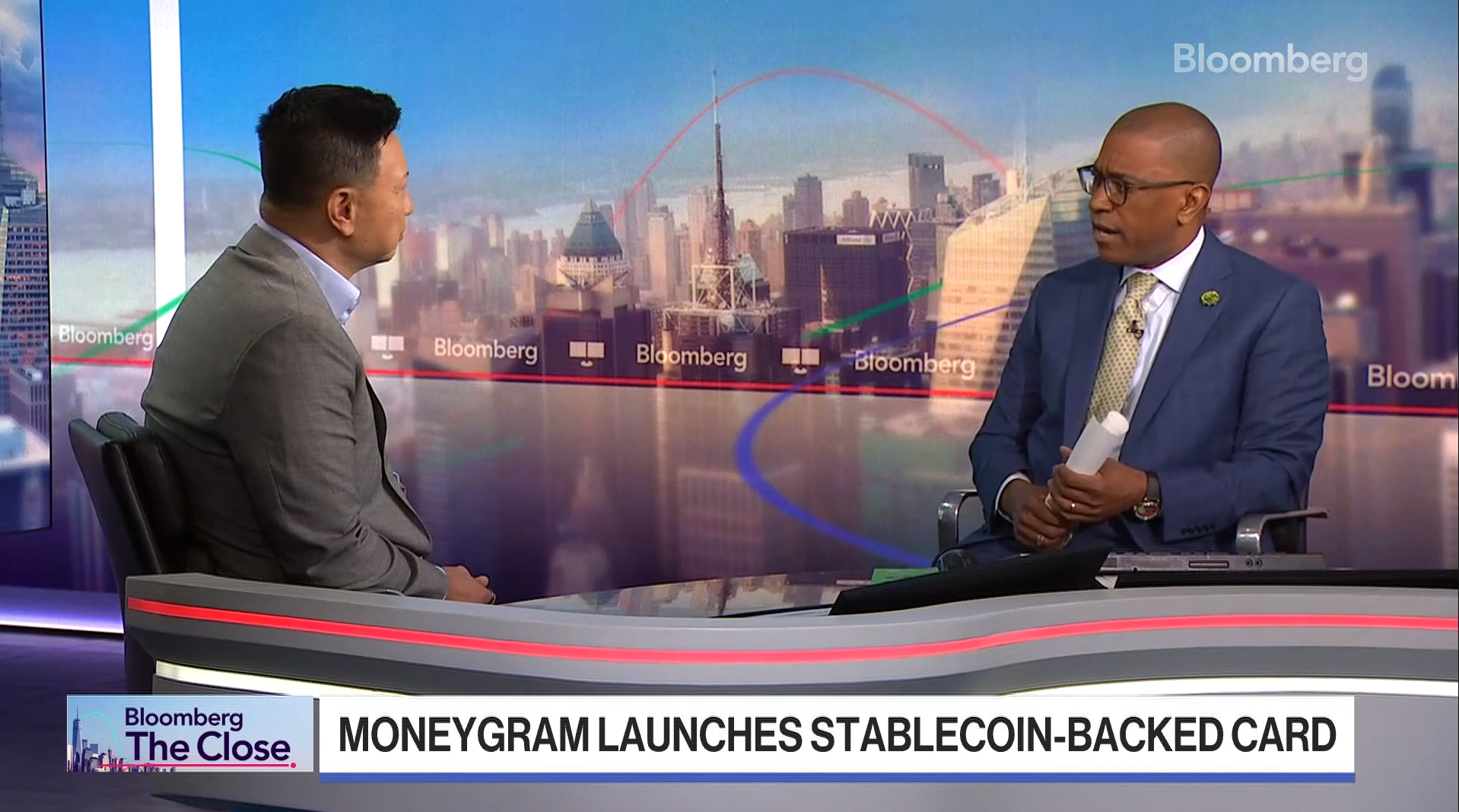
Anthony Soohoo was surprised by the Senate's failure to advance the Clarity Act, but emphasized that MoneyGram will keep moving forward and focus on what it can control.
MoneyGram launched a stablecoin-backed card that lets customers spend at merchants accepting Visa or access local cash through MoneyGram.
MoneyGram has launched the MoneyGram Card, a stablecoin-backed card on the Stellar network.
Never send money to someone you have not met. Learn which requests should make you stop, how to verify someone, and what to do if you already sent money.
Before paying a rental deposit, verify the landlord and property. Learn how to check a listing remotely and spot common rental scam warning signs.
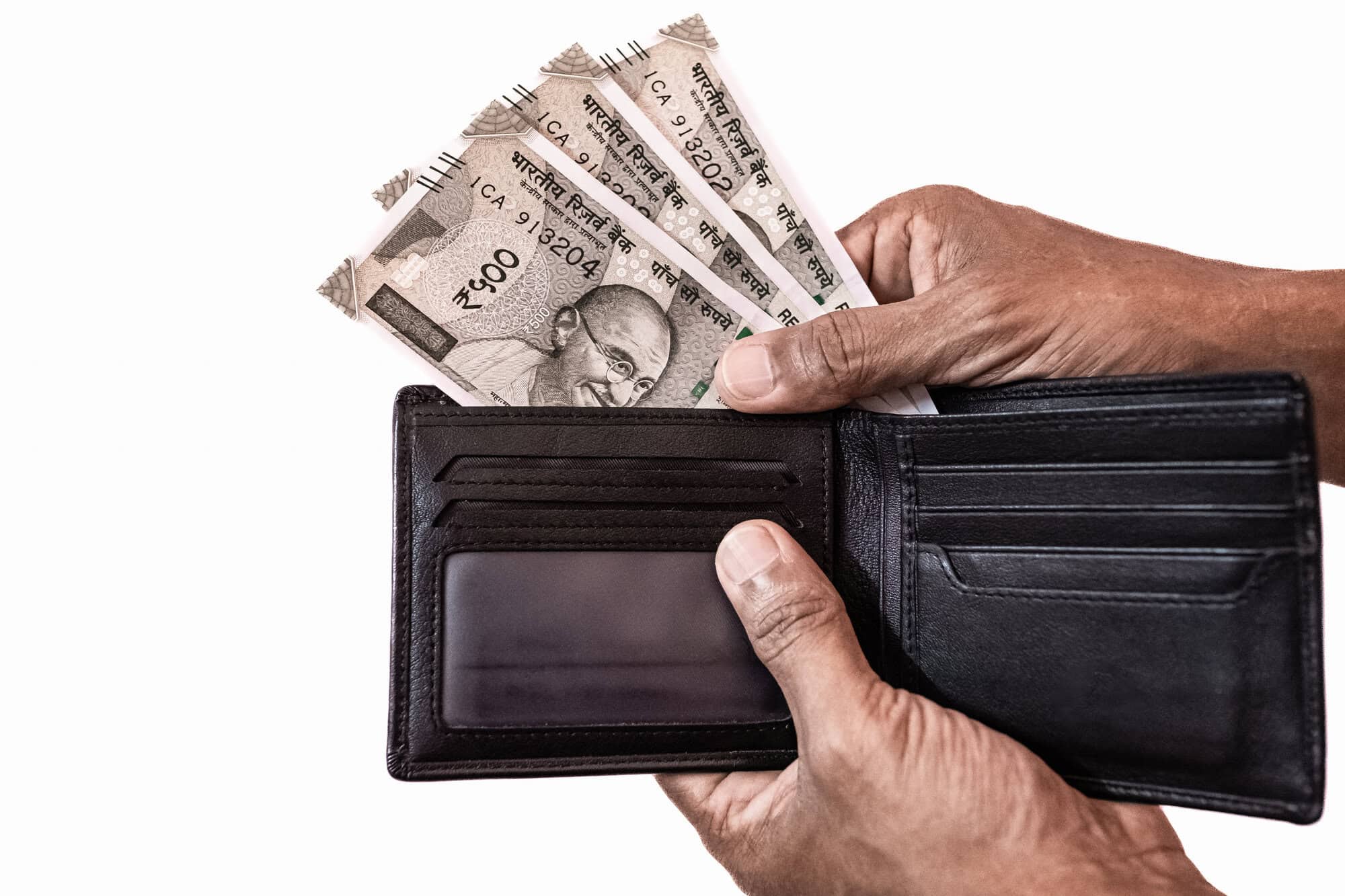
Receiving a MoneyGram transfer in India? Learn how bank transfer and cash pickup work, what you need and which collection rules may apply.