MoneyGram is joining Tempo as its anchor remittance validator, actively contributing to the network’s operation, security and reliability.
Kraken, one of the world's longest-standing, most secure and most liquid crypto platforms, and MoneyGram, one of the world's leading global payments networks, announced a new strategic global partnership. Through this partnership, millions of Kraken customers will be able to withdraw crypto as cash in hundreds of fiat currencies, spanning more than 100 countries worldwide using MoneyGram's extensive global cash pickup network.
MoneyGram announced the global launch of modernized retail solutions, built on Stripe, marking a step forward in its strategy to deliver a unified, omnichannel experience for customers worldwide. As MoneyGram continues to modernize one of the world's largest physical payment networks, the launch upgrades its global retail footprint with a modern payments infrastructure and the best point-of-sale technology in the industry.
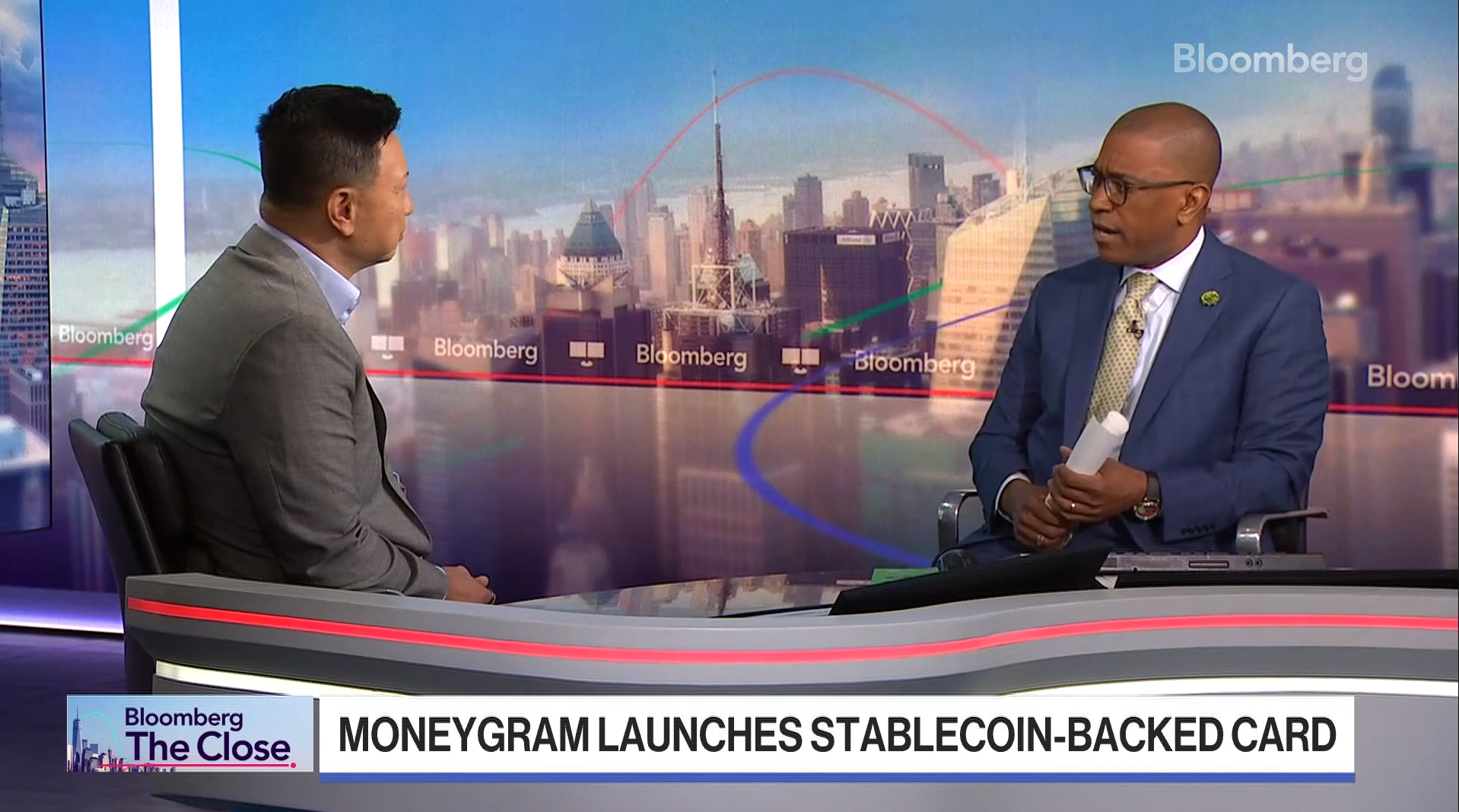
Anthony Soohoo was surprised by the Senate's failure to advance the Clarity Act, but emphasized that MoneyGram will keep moving forward and focus on what it can control.
MoneyGram launched a stablecoin-backed card that lets customers spend at merchants accepting Visa or access local cash through MoneyGram.
MoneyGram has launched the MoneyGram Card, a stablecoin-backed card on the Stellar network.
Never send money to someone you have not met. Learn which requests should make you stop, how to verify someone, and what to do if you already sent money.
Before paying a rental deposit, verify the landlord and property. Learn how to check a listing remotely and spot common rental scam warning signs.
Receiving a MoneyGram transfer in India? Learn how bank transfer and cash pickup work, what you need and which collection rules may apply.