MoneyGram announced the appointment of Will Karczewski as Executive Vice President and General Manager, Global Retail. In this role, Karczewski will lead the company's global retail and digital partner businesses, helping unlock growth opportunities across its global retail network while advancing the integration of retail and digital customer experiences.
MoneyGram announced its entry into the Solana ecosystem, reinforcing the company's commitment to supporting the continued growth of blockchain-based financial infrastructure. MoneyGram has become an active validator on the Solana network and joined Solana Developer Platform.
MoneyGram announced the launch of MGUSD, a native U.S. dollar stablecoin and the foundation for a growing suite of financial services across its global network. As MoneyGram continues to build its payments infrastructure on blockchain, MGUSD will serve as the connective tissue powering those services for families sending money across borders and billions of people underserved by traditional finance.
Anthony Soohoo was surprised by the Senate's failure to advance the Clarity Act, but emphasized that MoneyGram will keep moving forward and focus on what it can control.
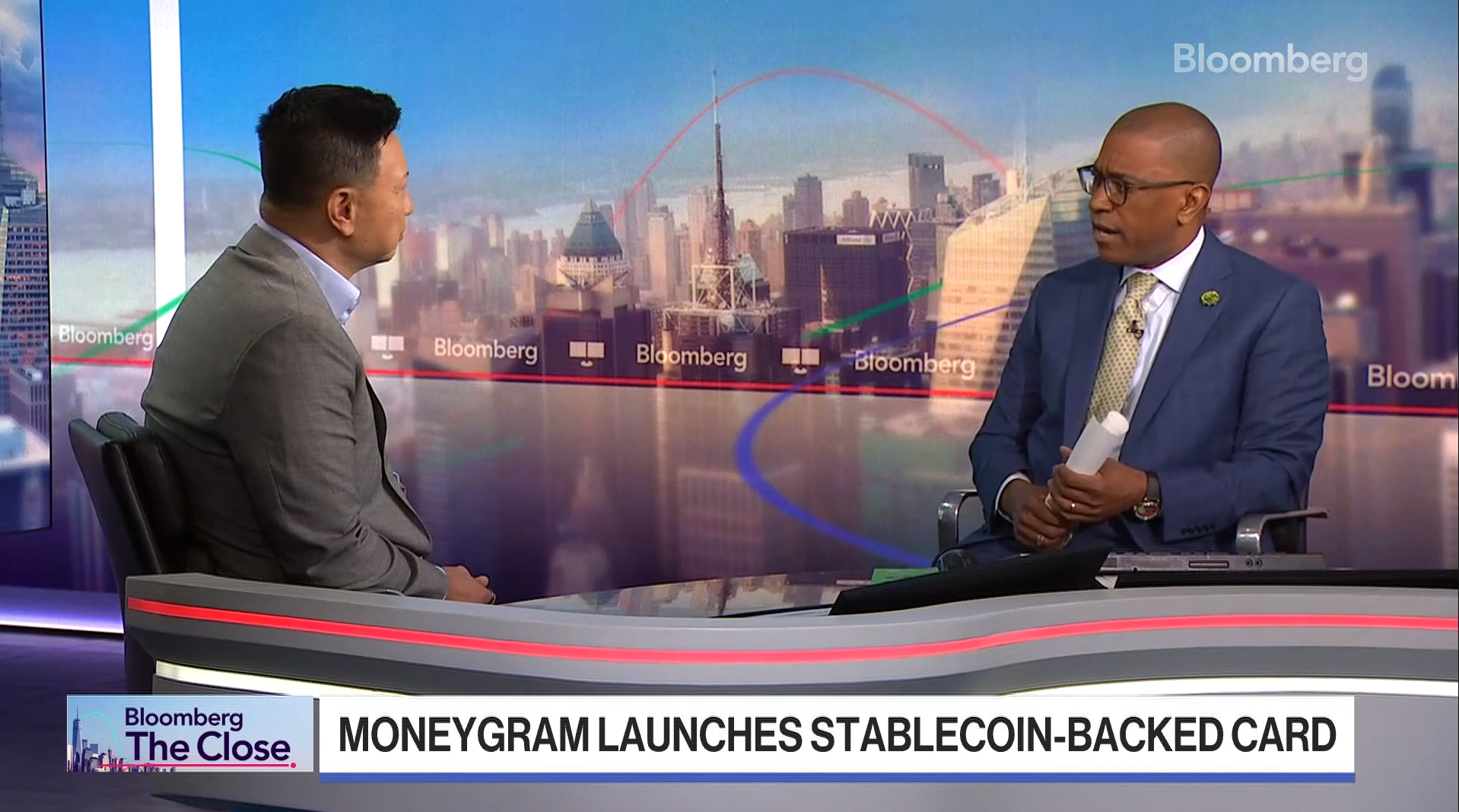
MoneyGram launched a stablecoin-backed card that lets customers spend at merchants accepting Visa or access local cash through MoneyGram.
MoneyGram has launched the MoneyGram Card, a stablecoin-backed card on the Stellar network.
Never send money to someone you have not met. Learn which requests should make you stop, how to verify someone, and what to do if you already sent money.
Before paying a rental deposit, verify the landlord and property. Learn how to check a listing remotely and spot common rental scam warning signs.
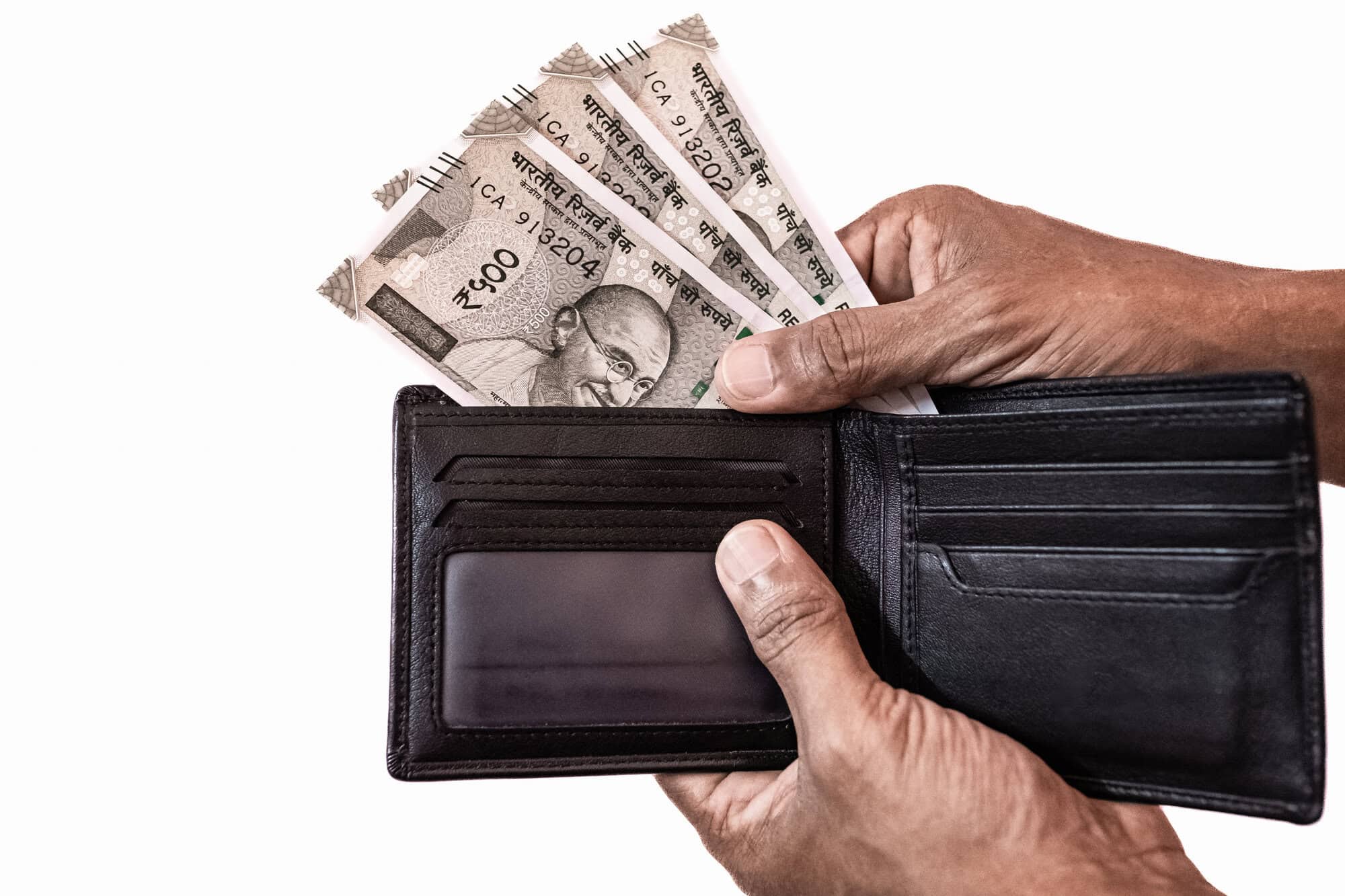
Receiving a MoneyGram transfer in India? Learn how bank transfer and cash pickup work, what you need and which collection rules may apply.

.png)
.png)