MoneyGram and Mastercard have joined forces to advance digital money movement both domestically and across borders. MoneyGram is implementing Mastercard Move, Mastercard's portfolio of money transfer solutions, providing its customers with enhanced access to fast, secure and near real-time payments.
MoneyGram announced the appointment of Luke Tuttle as Chief Technology Officer. In this role, Tuttle will lead product development and technology, overseeing engineering, platform operations, information security and emerging technologies like blockchain. He will report directly to Anthony Soohoo, MoneyGram Chairman and Chief Executive Officer, and will serve on the Executive Leadership Team.
MoneyGram announced that its Board of Directors has appointed Anthony Soohoo, an experienced technology executive with deep expertise leading digital transformations that enhance growth strategies, to the role of Chief Executive Officer. Soohoo will be responsible for executing the Company's focused digital innovation strategy, while strengthening and expanding MoneyGram's leading global partner network.
Anthony Soohoo was surprised by the Senate's failure to advance the Clarity Act, but emphasized that MoneyGram will keep moving forward and focus on what it can control.
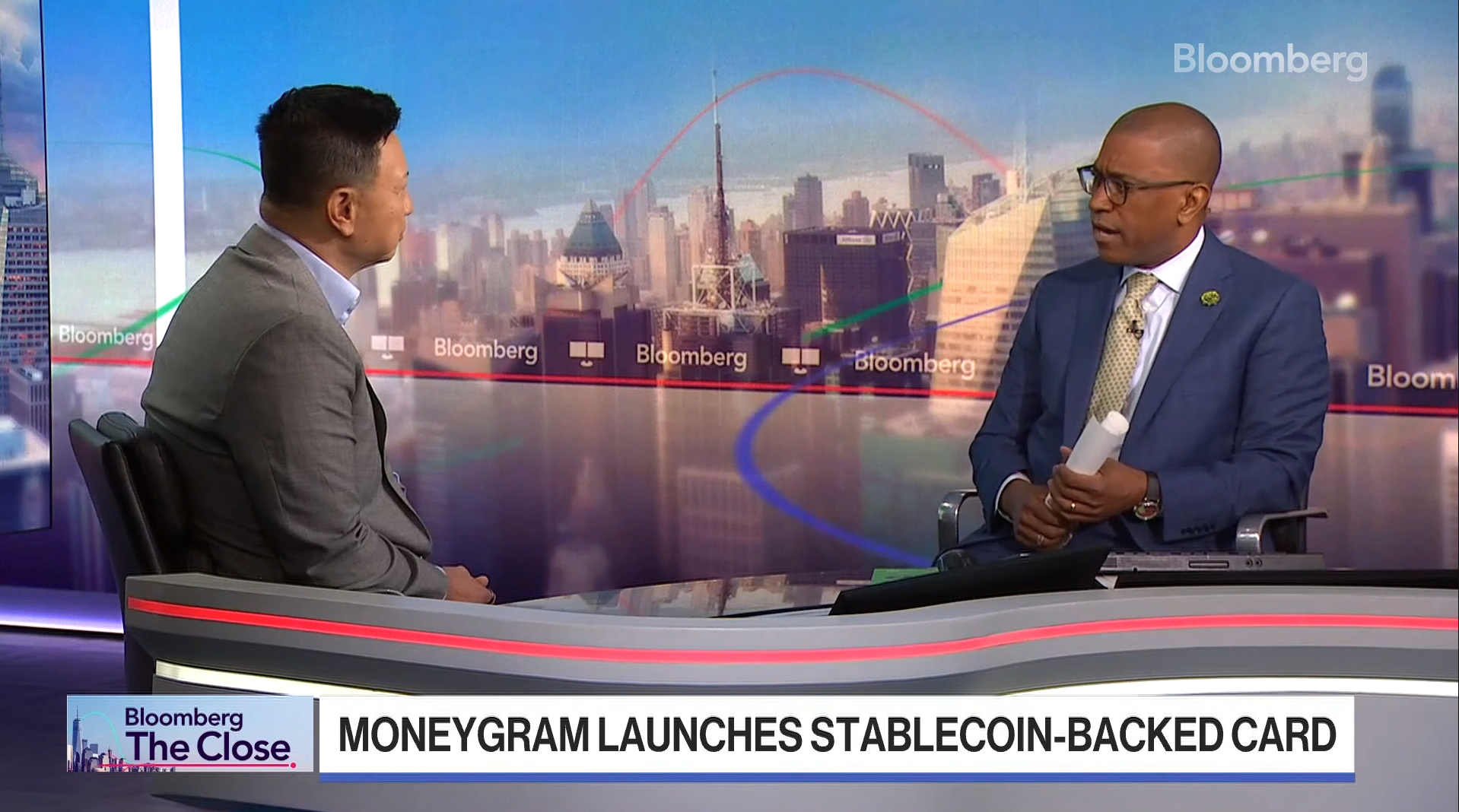
MoneyGram launched a stablecoin-backed card that lets customers spend at merchants accepting Visa or access local cash through MoneyGram.
MoneyGram has launched the MoneyGram Card, a stablecoin-backed card on the Stellar network.
Building credit in the United States usually takes at least three to six months of activity before a score appears, and often a year or more to reach a strong score. Credit history does not transfer between countries, so newcomers typically start fresh. Here is what to expect and how to begin.
In 2026, you can give up to 19,000 US dollars per person, per year, without triggering the federal gift tax or a filing requirement. Married couples can give up to 38,000 US dollars per person by combining their limits. Most people never owe gift tax. Here is how the rules work.
A remittance is money sent from one person to another, usually across borders, to support family, friends, or a household back home. It typically moves from a sender in one country to a receiver in another through a bank, a money transfer provider, or an agent. Here is how the process works and what to expect.