MoneyGram and Plaid, the data network powering the fintech tools millions of people rely on to lead a healthier financial life, announced the expansion of their pay-by-bank partnership to Europe. Following its successful U.S. launch, the integration enables MoneyGram customers in Europe to easily connect and authenticate their bank accounts through Plaid's trusted open banking technology, providing a new seamless and secure option to fund international payments across key European markets.
MoneyGram announced its next-generation mobile app, introducing a digital, USD-backed stored value account designed to work seamlessly with both traditional fiat currencies and stablecoins. Consumers who were once constrained by fragmented systems and local currencies will now be empowered to leverage stablecoins to access a fast and modern way to move and hold money across borders.
MoneyGram announced the appointment of three new independent members to its Board of Directors: Colin Walsh, founder of Varo Bank; Chris Trendler, founding partner of Pendra Group; and Katherine Carroll, former executive at Stripe.
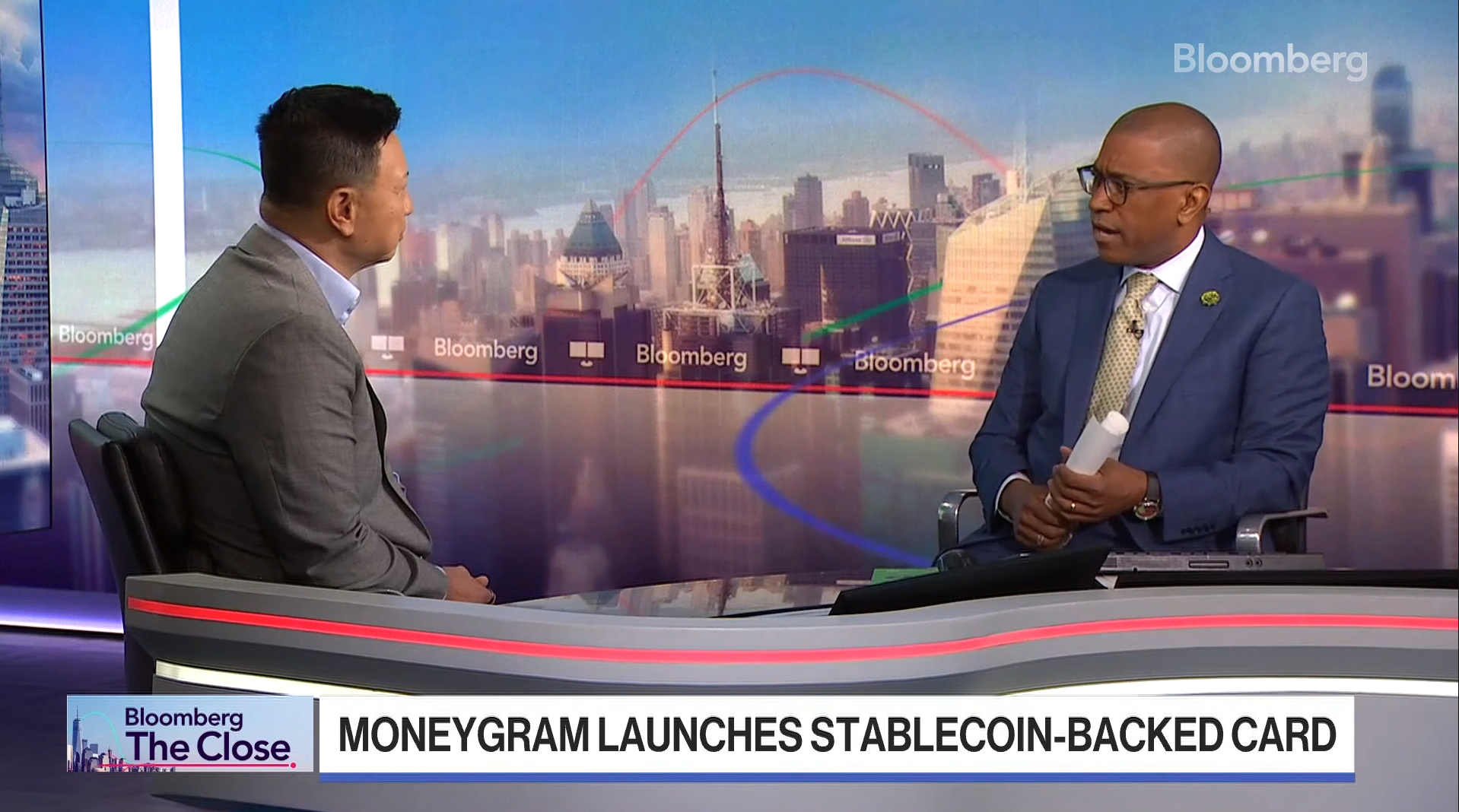
Anthony Soohoo was surprised by the Senate's failure to advance the Clarity Act, but emphasized that MoneyGram will keep moving forward and focus on what it can control.
MoneyGram launched a stablecoin-backed card that lets customers spend at merchants accepting Visa or access local cash through MoneyGram.
MoneyGram has launched the MoneyGram Card, a stablecoin-backed card on the Stellar network.
Building credit in the United States usually takes at least three to six months of activity before a score appears, and often a year or more to reach a strong score. Credit history does not transfer between countries, so newcomers typically start fresh. Here is what to expect and how to begin.
In 2026, you can give up to 19,000 US dollars per person, per year, without triggering the federal gift tax or a filing requirement. Married couples can give up to 38,000 US dollars per person by combining their limits. Most people never owe gift tax. Here is how the rules work.
A remittance is money sent from one person to another, usually across borders, to support family, friends, or a household back home. It typically moves from a sender in one country to a receiver in another through a bank, a money transfer provider, or an agent. Here is how the process works and what to expect.