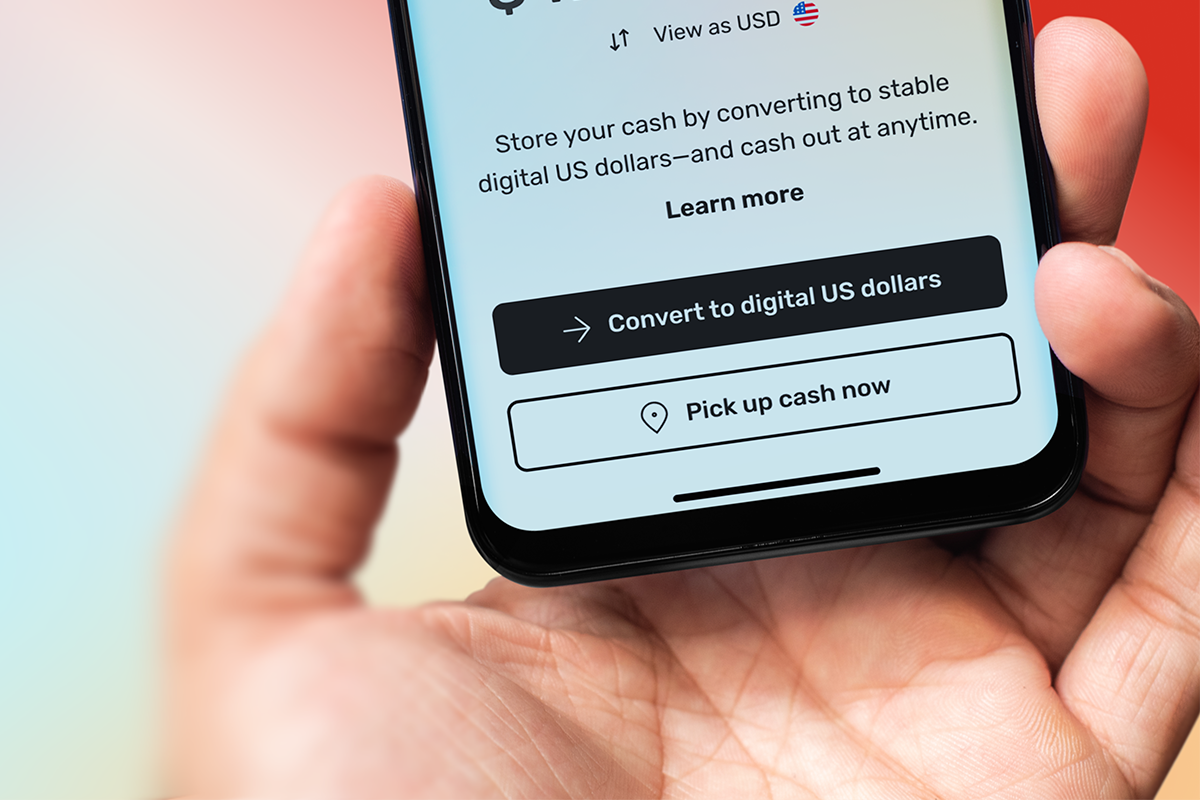
Reimagined app and website bring digital money movement, stablecoin-powered functionality and MoneyGram's global cash network together in one place
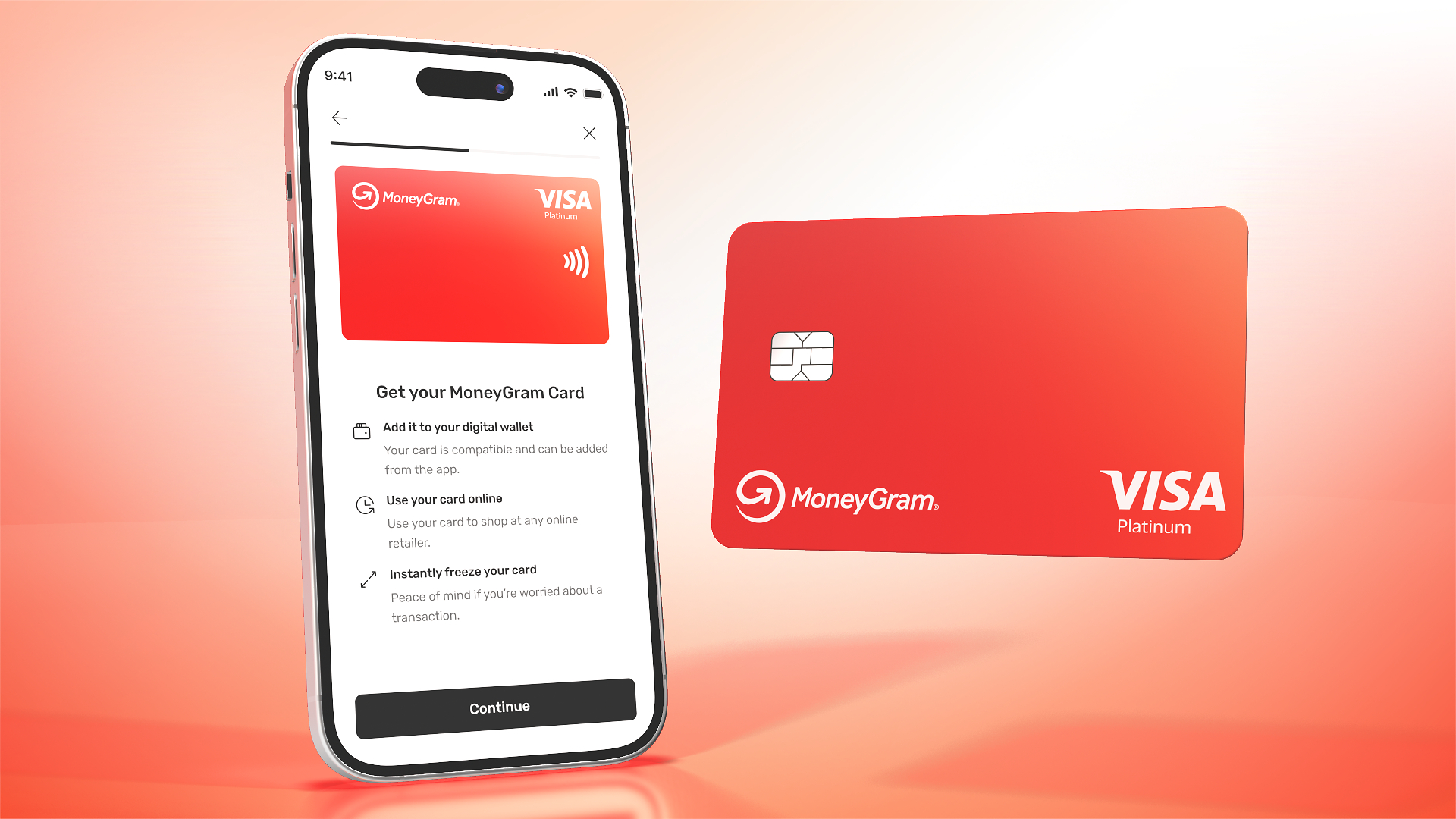
MoneyGram launched the MoneyGram Card, a stablecoin-backed card designed to serve eligible customers worldwide. The card gives customers more freedom and flexibility with their money: the ability to hold a stable-dollar balance, access cash when they need it, or spend anywhere Visa is accepted, online, in stores and across borders.
MoneyGram announced that MoneyGram Ramps (Ramps) is now live on Solana, making its global cash and digital network available across multiple blockchain ecosystems as the company continues building an open, interoperable payments network.
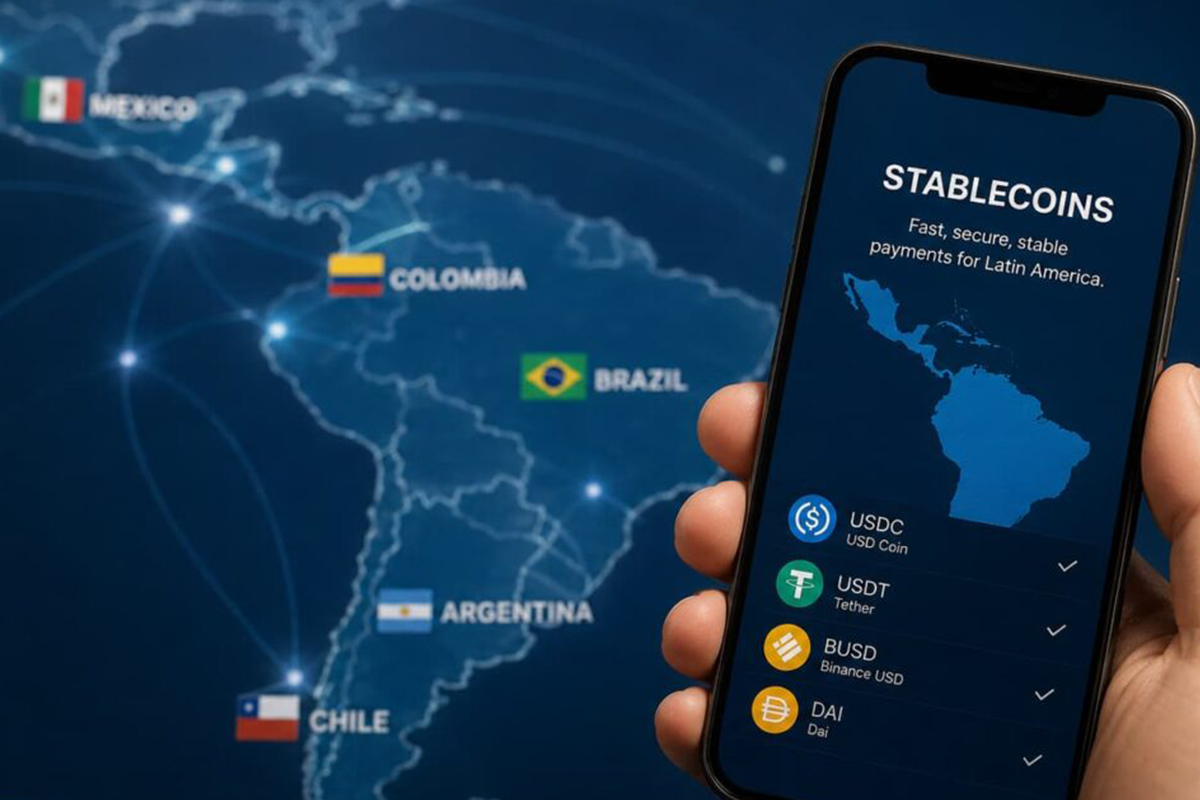
MoneyGram and Stellar are celebrating five years of collaboration with a major expansion of their stablecoin offerings across the Latin American region.
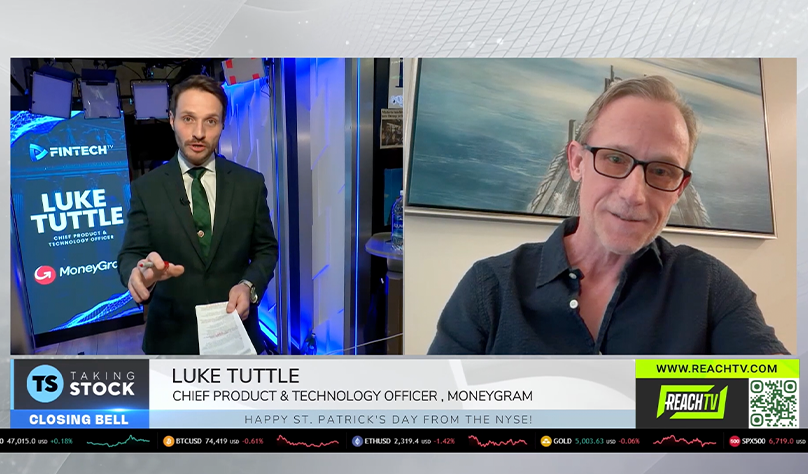
Luke Tuttle, Chief Product and Technology Officer at MoneyGram International, joins Fintech TV to discuss how blockchain and stablecoins are reshaping the future of global payments.
In an article on Payments Dive, Anthony Soohoo discusses how MoneyGram is increasingly using digital tools to enable customers to send funds across borders, and blockchain technology is starting to play a role too.
If you’re sending money to family in the Philippines, there’s a good chance they already use GCash. It’s one of the country’s most popular mobile wallets, used for everything from paying bills and buying groceries to sending money, topping up mobile data, and managing everyday expenses.
The United States to Philippines remittance corridor is one of the largest and most established in the world. Many Filipinos in the US send money home regularly to support family across the Philippines.
Sending money to Mexico is one of the most common cross-border financial decisions people make in the US. What’s the fastest, most reliable, and most cost-effective way to get the money there?