Reimagined app and website bring digital money movement, stablecoin-powered functionality and MoneyGram's global cash network together in one place
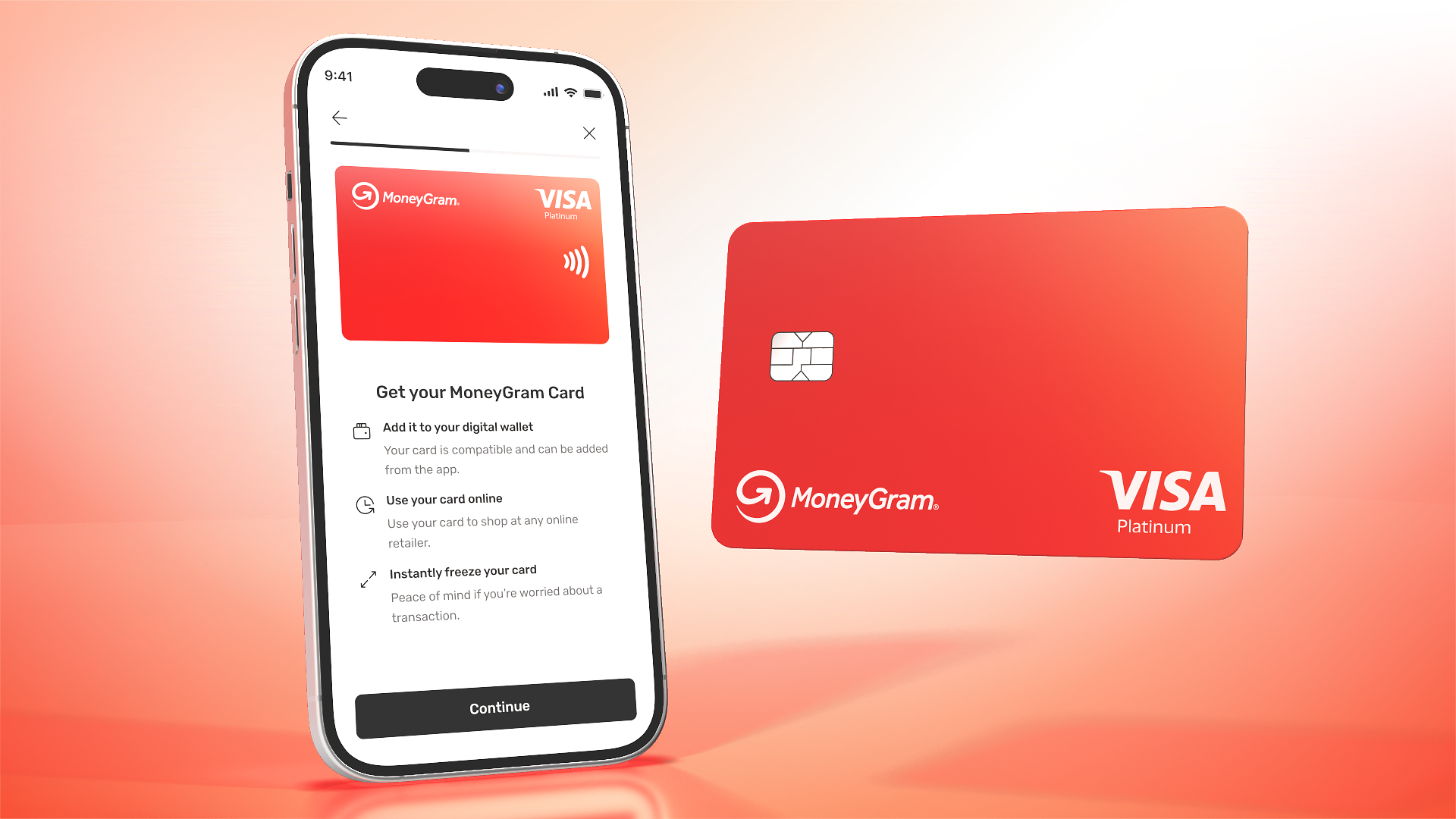
MoneyGram launched the MoneyGram Card, a stablecoin-backed card designed to serve eligible customers worldwide. The card gives customers more freedom and flexibility with their money: the ability to hold a stable-dollar balance, access cash when they need it, or spend anywhere Visa is accepted, online, in stores and across borders.
MoneyGram announced that MoneyGram Ramps (Ramps) is now live on Solana, making its global cash and digital network available across multiple blockchain ecosystems as the company continues building an open, interoperable payments network.
MoneyGram announced it had launched its own U.S. dollar-backed stablecoin on the Stellar blockchain. The stablecoin, dubbed MGUSD, will be embedded into the MoneyGram app, allowing customers to hold a dollar-denominated balance in a self-custodial wallet and transfer funds through the company's global payments network.
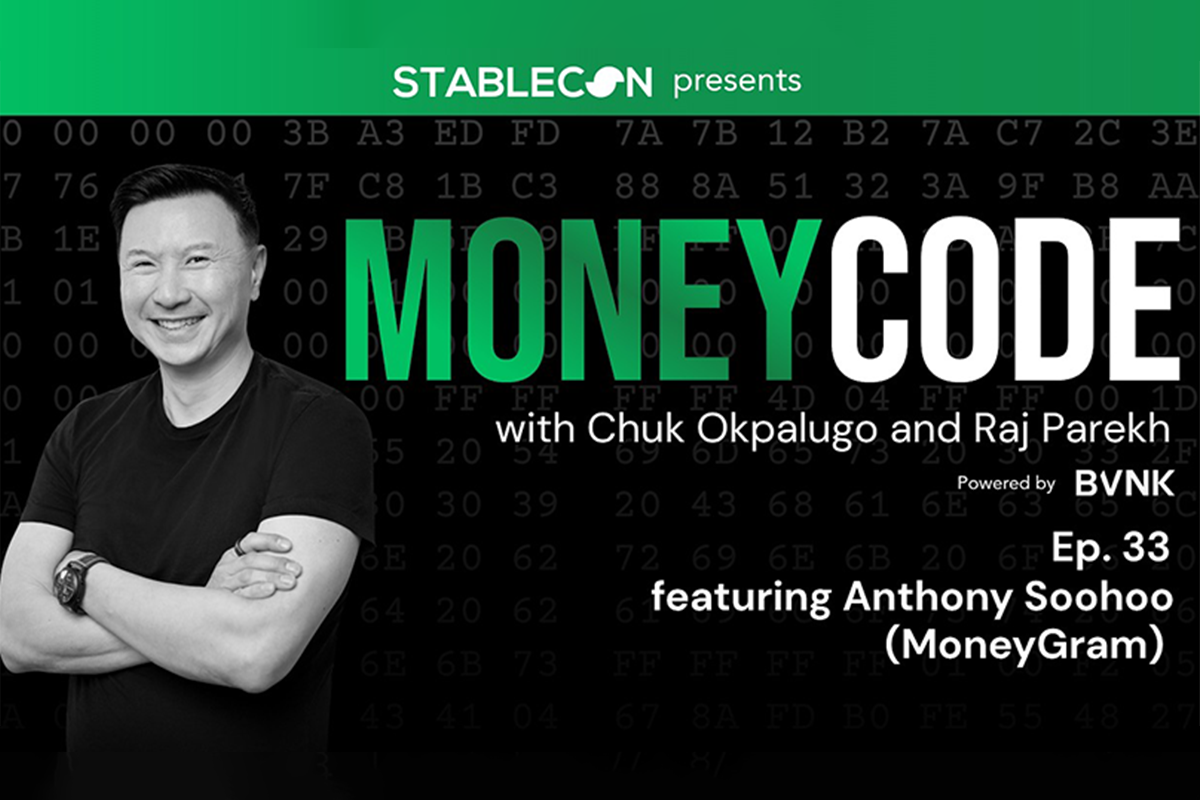
In this episode of Money Code, hosts Chuk Okpalugo and Raj Parekh sit down with Anthony Soohoo, Chairman and CEO of MoneyGram, who joined the company to refound its 85-year-old network for the stablecoin and AI era. They unpack how MoneyGram's network of 500,000 retail locations across 200 countries is becoming an API layer for stablecoins, why "cash is our inventory" reframes treasury for the blockchain era, and why building this kind of regulated footprint takes "three or four decades" to map the world.
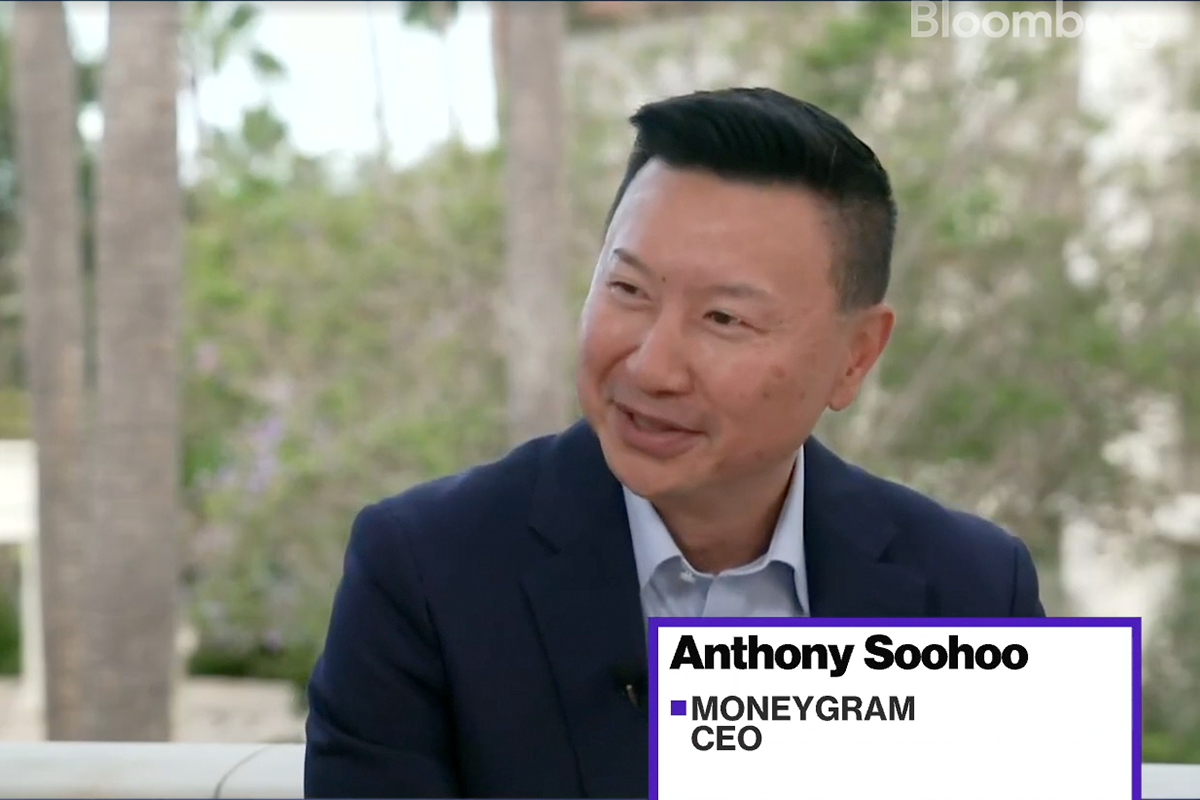
MoneyGram CEO Anthony Soohoo joins Dani Burger on Bloomberg Open Interest to talk about why cash still dominates globally despite the crypto boom. He reveals how MoneyGram’s 500,000 retail locations give it a unique edge. Plus, why the company’s Kraken partnership could reshape crypto spending worldwide.
Never send money to someone you have not met. Learn which requests should make you stop, how to verify someone, and what to do if you already sent money.
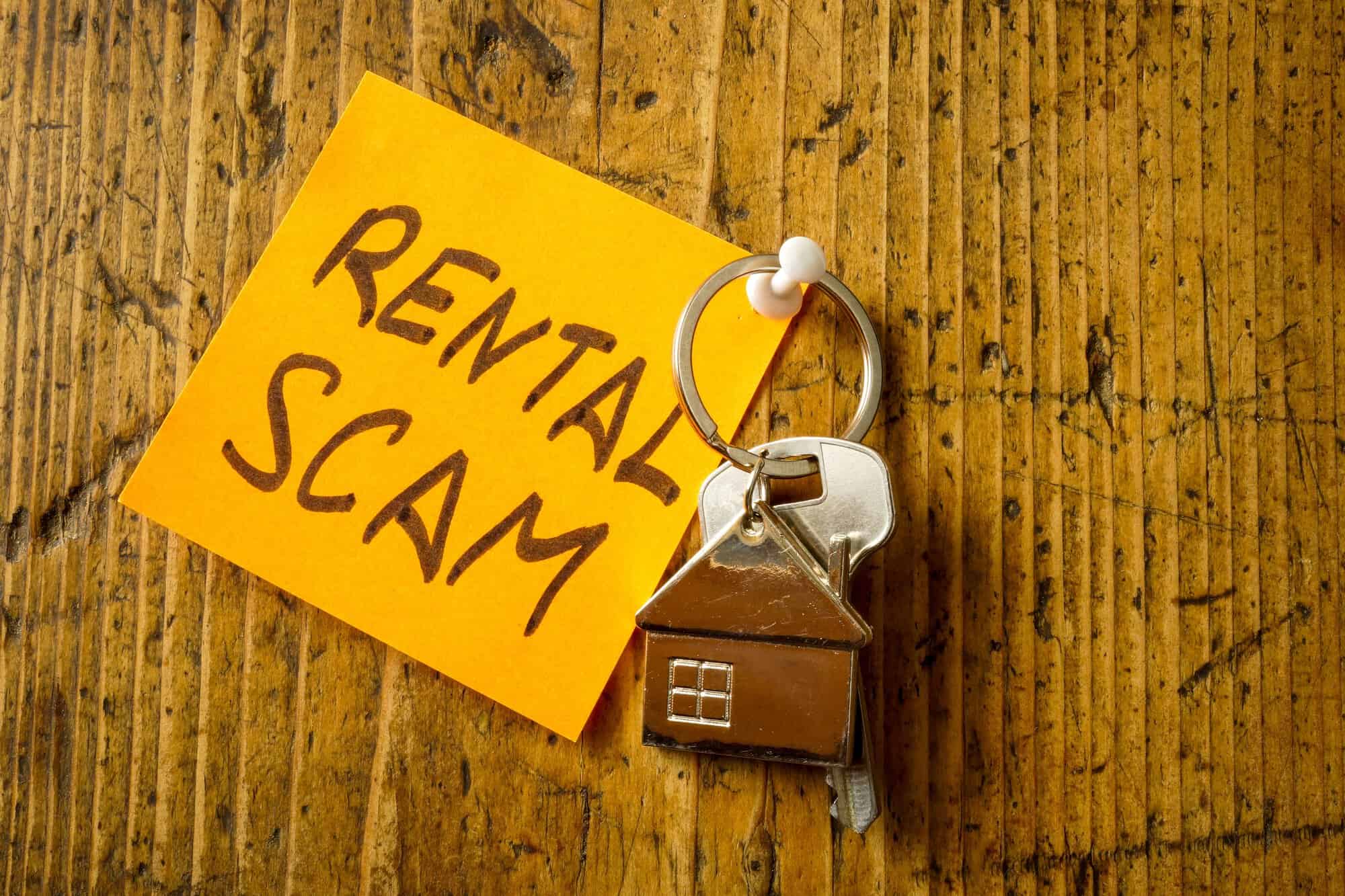
Before paying a rental deposit, verify the landlord and property. Learn how to check a listing remotely and spot common rental scam warning signs.
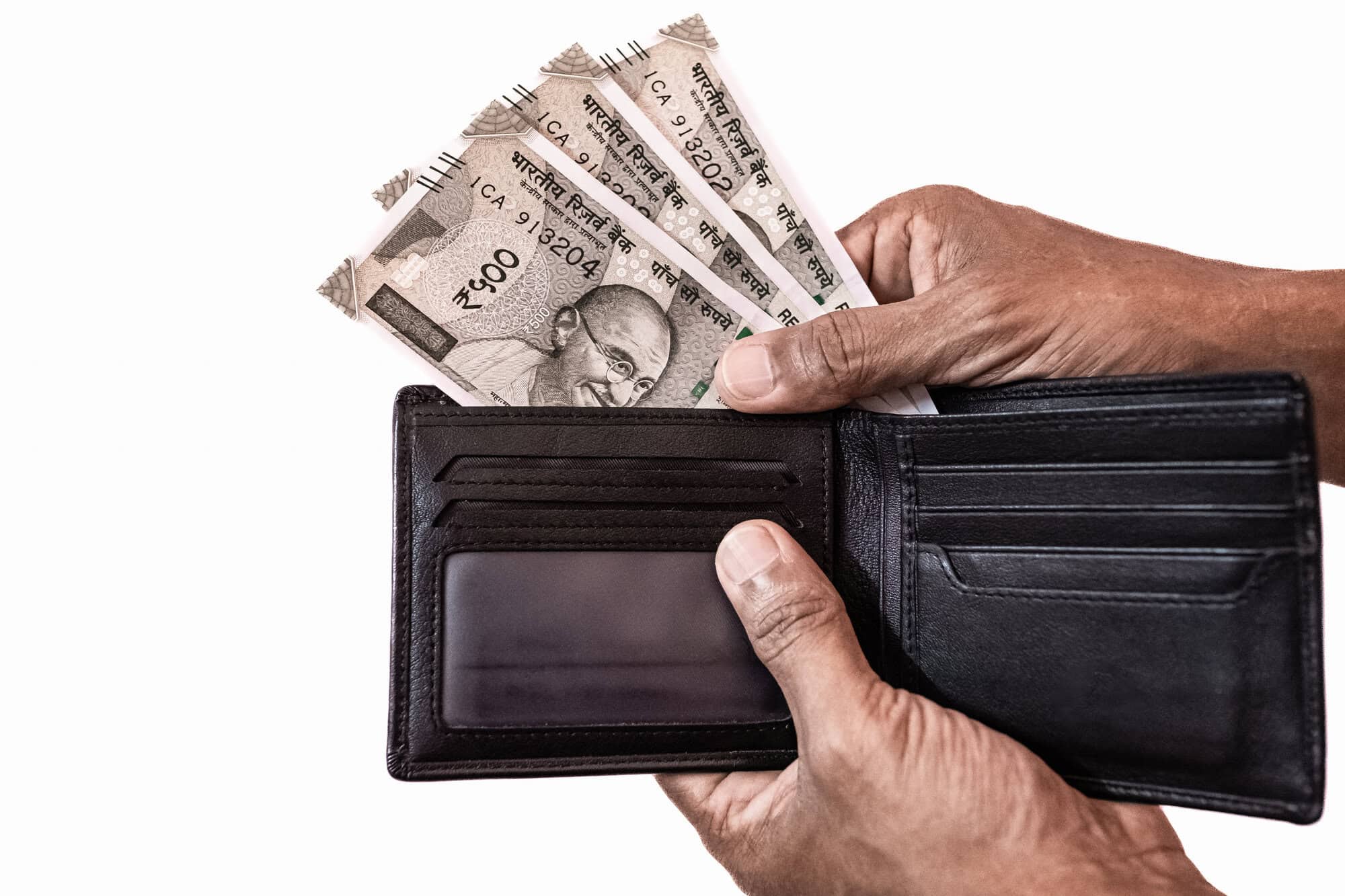
Receiving a MoneyGram transfer in India? Learn how bank transfer and cash pickup work, what you need and which collection rules may apply.