Reimagined app and website bring digital money movement, stablecoin-powered functionality and MoneyGram's global cash network together in one place
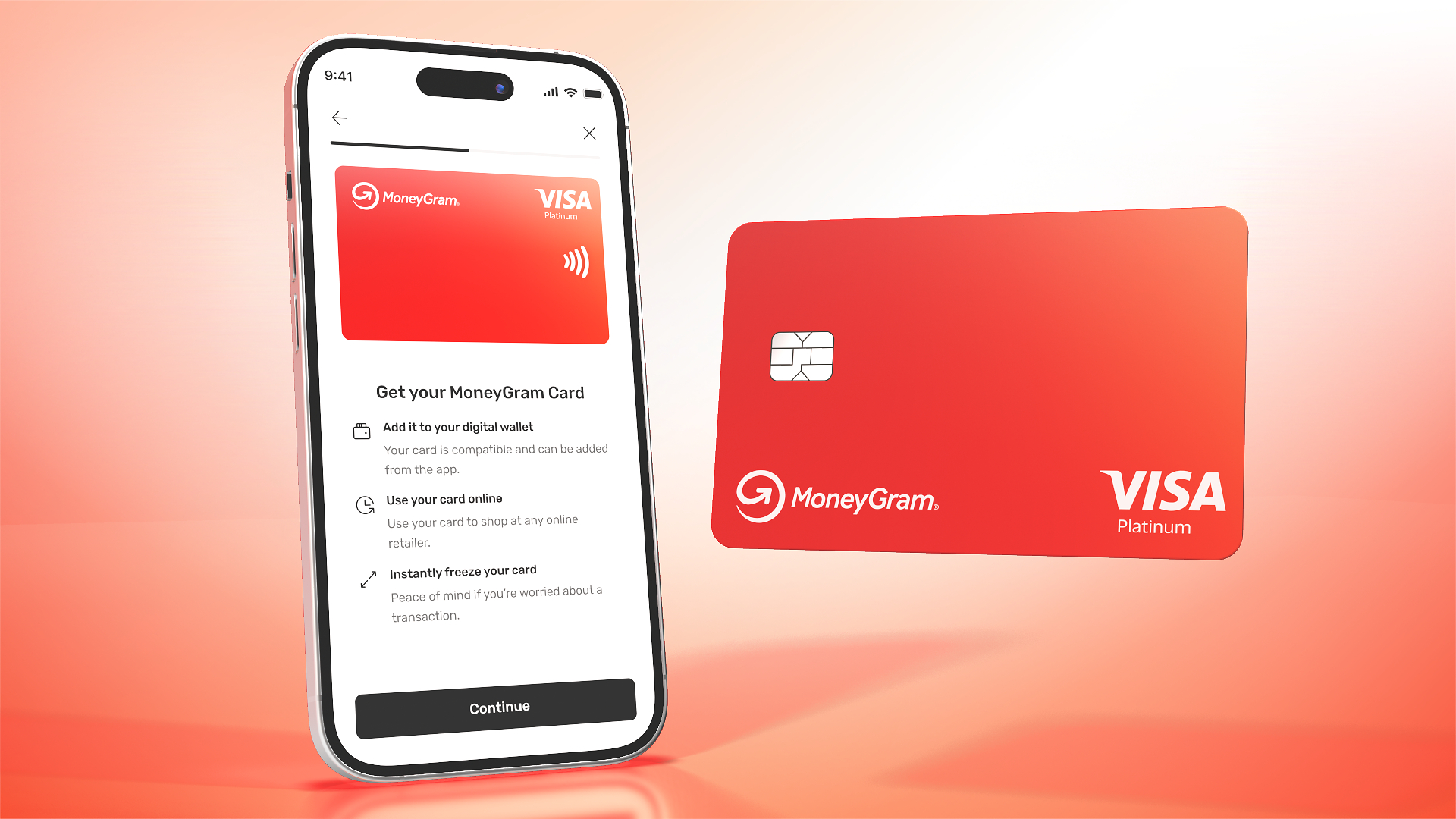
MoneyGram launched the MoneyGram Card, a stablecoin-backed card designed to serve eligible customers worldwide. The card gives customers more freedom and flexibility with their money: the ability to hold a stable-dollar balance, access cash when they need it, or spend anywhere Visa is accepted, online, in stores and across borders.
MoneyGram announced that MoneyGram Ramps (Ramps) is now live on Solana, making its global cash and digital network available across multiple blockchain ecosystems as the company continues building an open, interoperable payments network.
At the Money20/20 Europe conference in Amsterdam, MoneyGram CEO Anthony Soohoo speaks to CNN as it launches its new native stablecoin, pegged to the US dollar.
MoneyGram’s newly launched MGUSD stablecoin is designed to give underbanked consumers access to a stable dollar-denominated balance inside the payment network's app, CEO Anthony Soohoo on Thursday said, positioning the product as a consumer financial-services tool rather than another crypto trading asset.
Cross-border payments such as remittances have long been seen as a potential use case for stablecoins. MoneyGram launches its own stablecoin to complement its other work in digital assets.
A CVV is the short security code printed on a payment card, used to confirm that the person paying has the card in hand. It is usually three digits on the back of the card, or four digits on the front for some cards. Here is what a CVV does and how to keep it safe.
A routing number is a nine-digit code that identifies your bank in the United States. It tells other banks and payment systems where to send or pull money during a transfer. You will find it on your checks, in your banking app, and on your bank's website. Here is how to locate and use it.
It usually happens when you least expect it. You're walking through the grocery store when you spot a snack you grew up eating. Someone passes by speaking your native language, and for a second, it feels like you're back home. A familiar song comes on during your commute, or you catch yourself checking the time. Then you picture your family sitting down for dinner thousands of miles away.