Reimagined app and website bring digital money movement, stablecoin-powered functionality and MoneyGram's global cash network together in one place
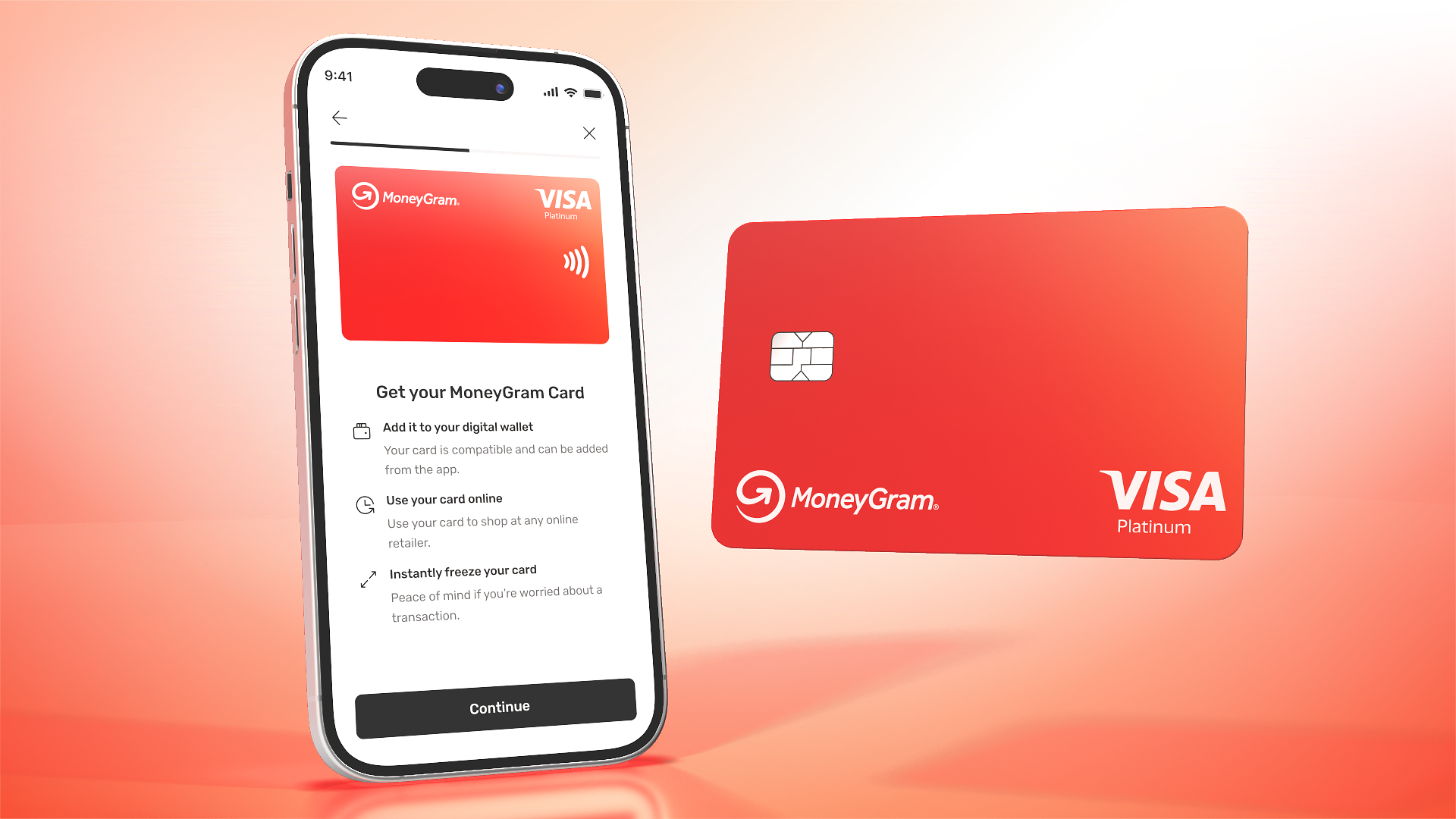
MoneyGram launched the MoneyGram Card, a stablecoin-backed card designed to serve eligible customers worldwide. The card gives customers more freedom and flexibility with their money: the ability to hold a stable-dollar balance, access cash when they need it, or spend anywhere Visa is accepted, online, in stores and across borders.
MoneyGram announced that MoneyGram Ramps (Ramps) is now live on Solana, making its global cash and digital network available across multiple blockchain ecosystems as the company continues building an open, interoperable payments network.
At the Money20/20 Europe conference in Amsterdam, MoneyGram CEO Anthony Soohoo speaks to CNN as it launches its new native stablecoin, pegged to the US dollar.
MoneyGram’s newly launched MGUSD stablecoin is designed to give underbanked consumers access to a stable dollar-denominated balance inside the payment network's app, CEO Anthony Soohoo on Thursday said, positioning the product as a consumer financial-services tool rather than another crypto trading asset.
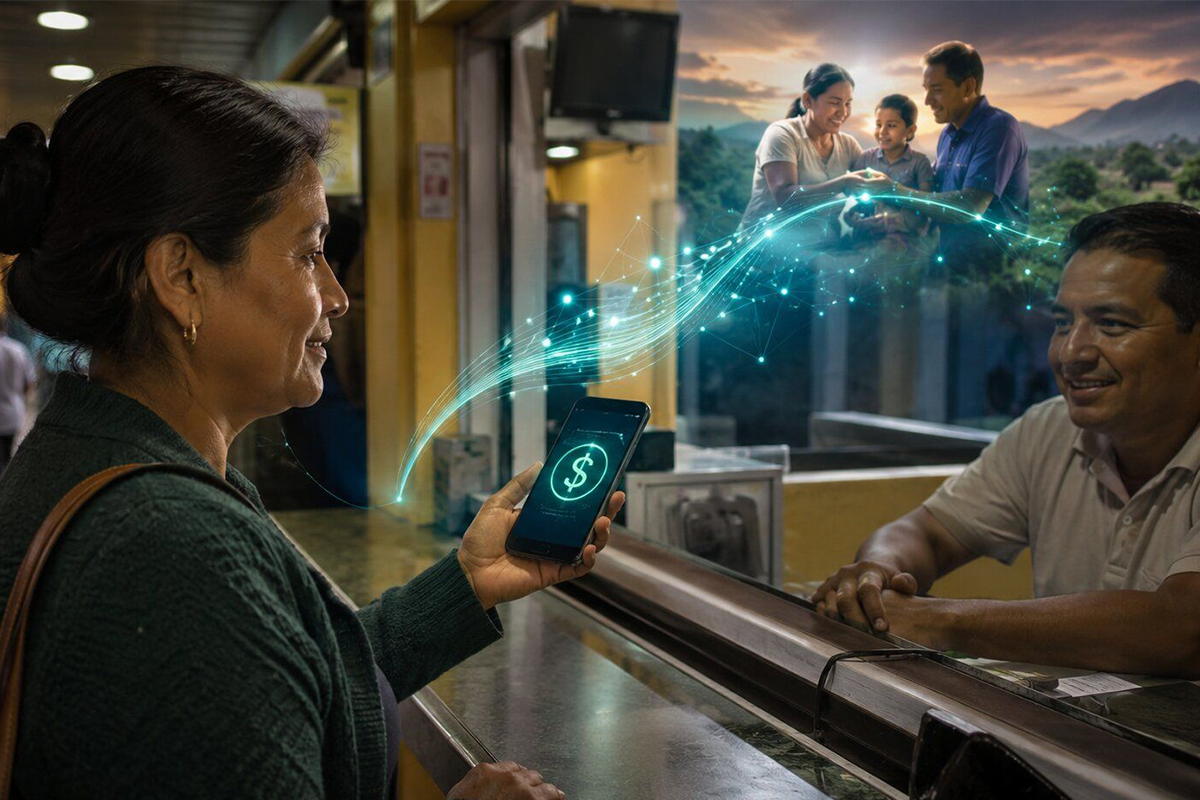
Cross-border payments such as remittances have long been seen as a potential use case for stablecoins. MoneyGram launches its own stablecoin to complement its other work in digital assets.
Never send money to someone you have not met. Learn which requests should make you stop, how to verify someone, and what to do if you already sent money.
Before paying a rental deposit, verify the landlord and property. Learn how to check a listing remotely and spot common rental scam warning signs.
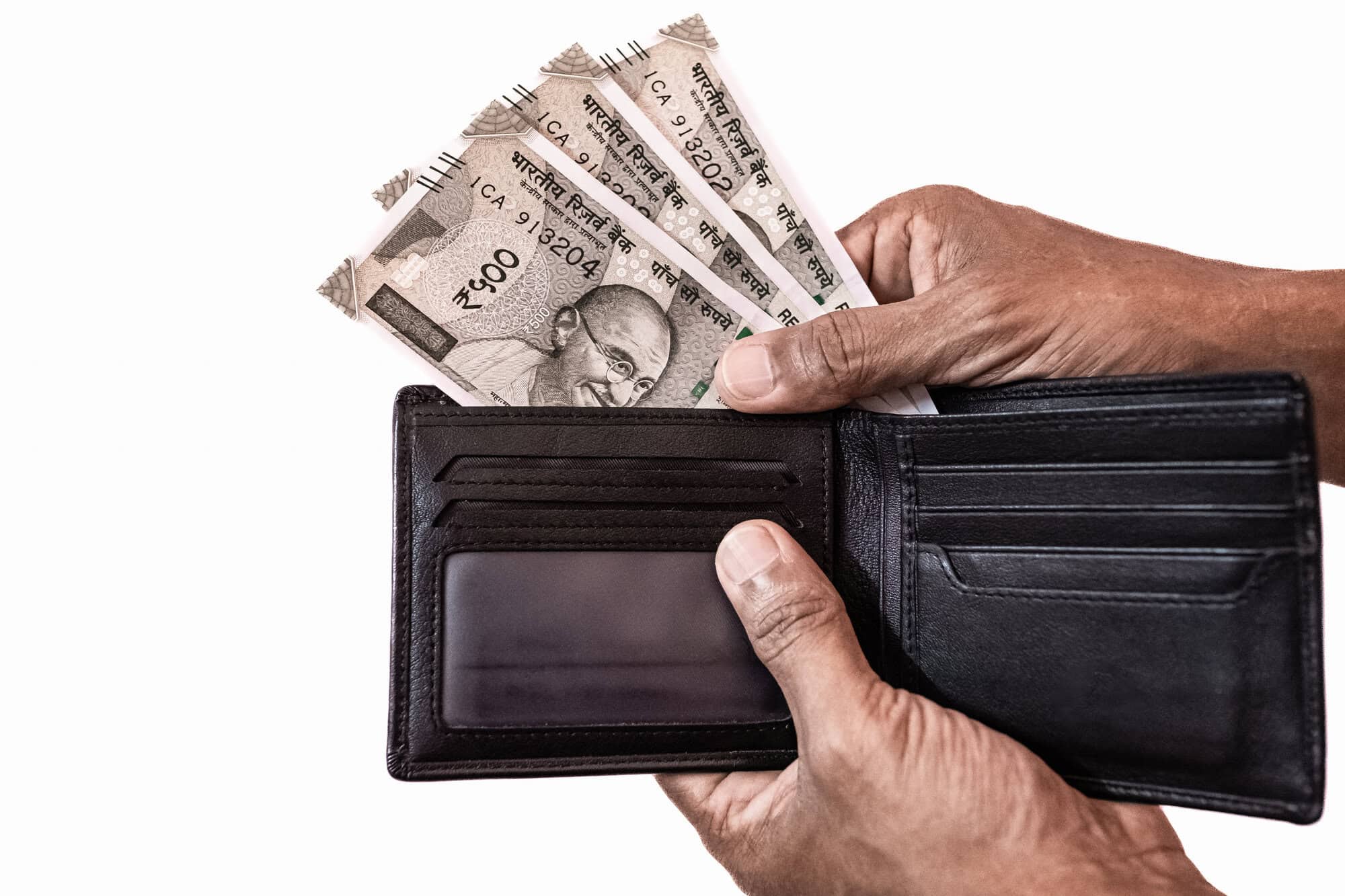
Receiving a MoneyGram transfer in India? Learn how bank transfer and cash pickup work, what you need and which collection rules may apply.